The ongoing water crisis in Mbombela has become a major issue ahead of South Africa’s local government elections on 4 November 2026, with residents demanding reliable water supplies and political parties presenting different solutions to the problem.
Communities such as Msogwaba continue to experience unreliable water access, disrupting household routines, affecting schools and placing additional pressure on vulnerable residents. With election day approaching, communities are increasingly focused on whether political leaders can deliver lasting improvements rather than temporary relief.
According to reporting by eNCA on 30 October, residents want dependable water supplies and an end to recurring disruptions. The crisis has placed municipal service delivery under renewed scrutiny as candidates make their final appeals to voters.
Residents demand reliable water supplies
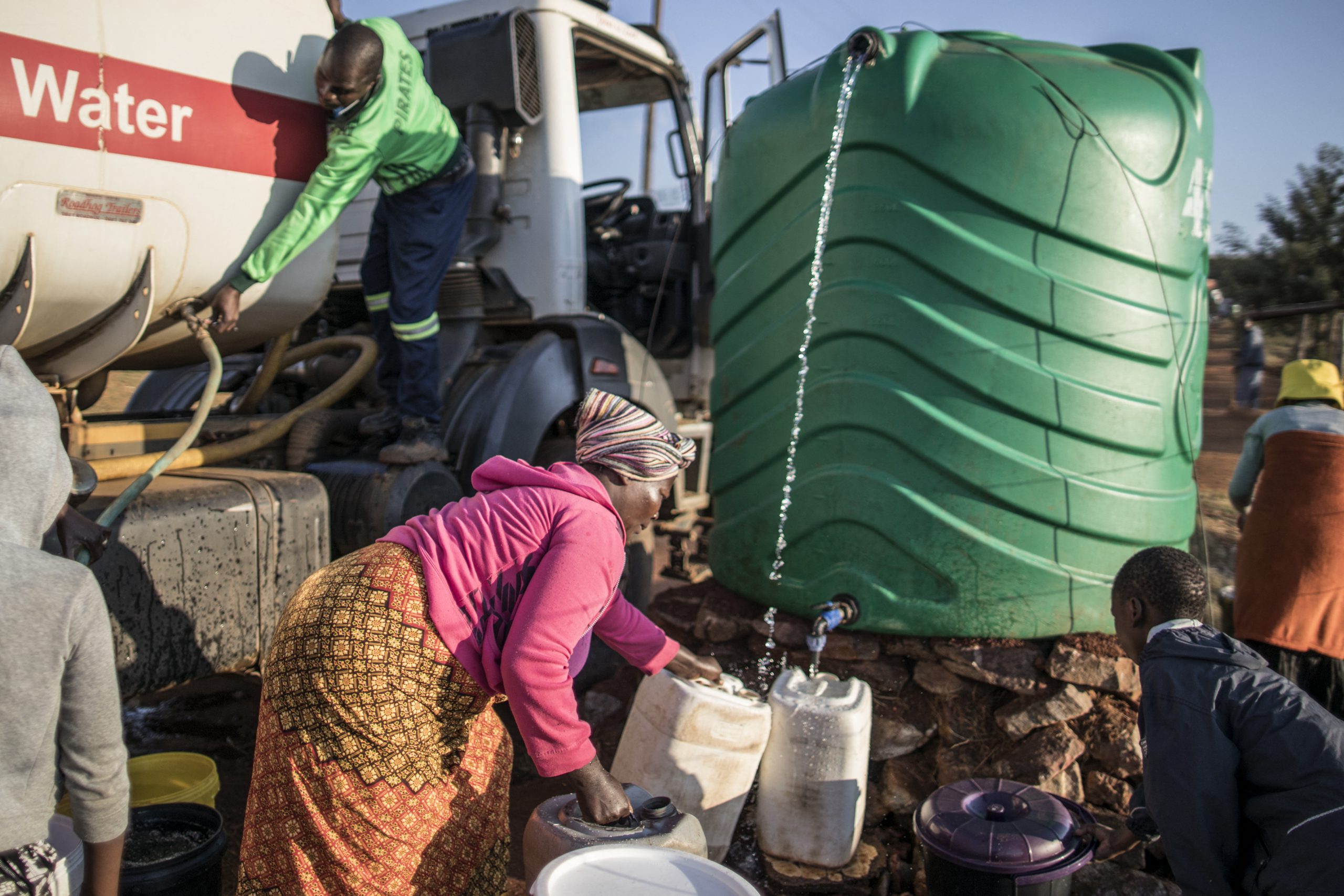
Access to clean, reliable water is essential for drinking, cooking, washing and maintaining public health. When supplies become unreliable, households may have to find alternative sources or depend on water tankers.
For families already facing financial pressure, buying water or travelling to collect it can create additional difficulties. Schools and other community facilities may also struggle to maintain normal operations when water is unavailable.
Residents are therefore looking for practical solutions that address the causes of shortages, including infrastructure maintenance, damaged pipes and the expansion of water networks to communities that remain underserved.
Political parties offer different solutions
The water crisis has become a point of debate among mayoral candidates competing to lead the City of Mbombela.
ActionSA’s Gugu Thwala has indicated that repairing pipes and restoring reliable tap-water supplies would be a priority. The Economic Freedom Fighters’ Godrich Gardee has called for an end to privatisation and intermediaries in service delivery.
Meanwhile, the African National Congress candidate Candith Mashego Dlamini has pointed to rapid population growth and new developments in areas where extending pipelines is difficult. She has also highlighted the use of water tankers to supply some communities.
These competing positions have put water infrastructure and municipal accountability at the centre of the election campaign. Voters will ultimately have to assess which proposals offer realistic plans, clear implementation steps and measurable results.
Long-term solutions remain important
While water tankers can provide immediate assistance during shortages, they are not a permanent replacement for a reliable municipal supply.
Long-term improvements may require repairing ageing infrastructure, extending pipelines, maintaining pumping systems and strengthening the management of water services. Authorities also need to communicate clearly with residents about disruptions, alternative supply points and expected restoration times.
The wider national water crisis has also increased pressure on municipalities to improve infrastructure management and accountability. The National Water Action Plan has identified the need for stronger institutions, better coordination and improved infrastructure performance.
For Mbombela residents, however, the most important measure of progress will be whether water flows reliably from their taps and whether interruptions are addressed quickly and transparently.
What the election means for residents
With voting scheduled for 4 November, the water crisis presents a significant test for candidates seeking public support in Mbombela.
Residents will be watching for more than campaign promises. They need clear commitments about infrastructure repairs, funding, maintenance schedules and the expansion of water access to affected communities.
The election offers voters an opportunity to assess the performance of current leadership and decide which representatives they believe can improve basic services.
Ultimately, the challenge facing Mbombela extends beyond the election period. Whoever leads the municipality will need to turn proposed solutions into practical improvements that communities can see and experience.
Reliable water access is not simply a campaign issue. It is an essential public service, and residents will expect meaningful progress long after the election results are announced.
eNCA reports that residents in Msogwaba continue to experience unreliable water supplies, affecting households, schools and vulnerable community members. Political parties are proposing different approaches as the local government elections approach.
29 October 2026 — Service delivery under scrutiny
Jacaranda FM reports that water shortages, failing infrastructure and poor service delivery are among the major concerns shaping the local government election campaign in Mpumalanga. Residents are demanding practical solutions and improved municipal accountability.
22 October 2026 — Water access remains a concern
The ANC’s Ehlanzeni regional secretary, Folas Sibuyi, acknowledged persistent water challenges in Mbombela and estimated water supply coverage at 66.8%. He cited leaks, illegal connections and operational difficulties among the problems affecting service delivery. The municipality had reportedly purchased 18 water tankers to assist affected communities.
What happens next?
With voting scheduled for 4 November 2026, residents will be watching whether political parties can turn their promises into measurable improvements. Further updates should be added when new information is confirmed by municipal authorities or reliable news organisations.