
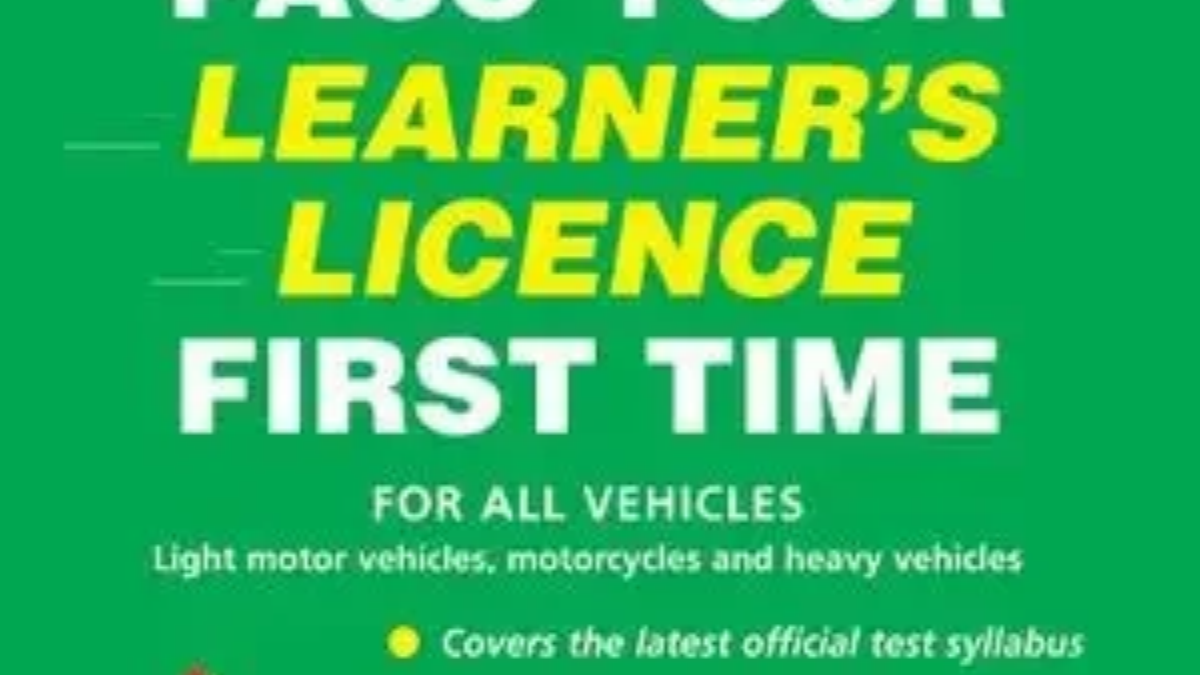
How to Prepare for the K53 Learner’s Licence and Driving Test in South Africa
Getting a driver’s licence is an important milestone for many people in South Africa. It provides greater independence, creates employment opportunities, and makes travelling more convenient. However, before getting behind the wheel independently, learners must understand the rules of the road and demonstrate that they can drive safely.
South Africa uses the K53 driving system, which focuses on defensive driving, road awareness, and following correct driving procedures. Whether you are preparing for your learner’s licence examination or planning to take your practical driving test, understanding the K53 system can improve your chances of success.
What Is the K53 Driving System?
K53 is South Africa’s official approach to driver testing and road safety education. It teaches motorists to drive defensively by observing their surroundings, anticipating possible dangers, and following the correct procedures when operating a vehicle.
The system is designed to help drivers develop safe driving habits rather than simply memorising driving rules.
It covers essential skills such as checking mirrors, signalling, controlling the vehicle, observing road signs, and maintaining a safe following distance.
How to Prepare for the K53 Learner’s Licence Test
The first step towards obtaining a driver’s licence is passing the learner’s licence examination.
The examination tests your knowledge of three main areas:
1. Rules of the Road
You must understand traffic laws, speed limits, right-of-way rules, overtaking regulations, parking rules, and road safety requirements.
2. Road Traffic Signs
Learners must recognise different road signs and understand their meanings. These include warning signs, regulatory signs, information signs, and road markings.
3. Vehicle Controls
You must understand the basic controls and instruments found inside a vehicle, including the steering wheel, accelerator, brake, clutch, gears, indicators, headlights, and dashboard warning lights.
Studying these three sections regularly can help you prepare confidently for the examination.
Understanding K53 Driving Procedures
After passing the learner’s licence test, the next stage is learning how to operate a vehicle safely.
The K53 system emphasises observation and defensive driving. Before performing certain driving actions, learners must demonstrate that they have checked their surroundings.
Important K53 procedures include:
- Observation: Check your mirrors and blind spots before changing direction or position.
- Signalling: Use indicators to communicate your intentions to other road users.
- Vehicle control: Maintain proper control of the steering wheel, pedals, and gears.
- Following distance: Keep a safe distance between your vehicle and the one in front.
- Road awareness: Watch for pedestrians, cyclists, traffic lights, and other vehicles.
- Defensive driving: Anticipate possible hazards and avoid dangerous situations.
Practising these procedures consistently will help you become a safer and more confident driver.
How to Pass the K53 Practical Driving Test
The practical driving test evaluates your ability to control a vehicle and apply road safety principles.
During the examination, the examiner may assess your ability to perform different manoeuvres, depending on your licence category.
These may include:
- Starting and stopping safely.
- Moving off correctly.
- Changing gears smoothly.
- Turning left and right.
- Reversing safely.
- Performing parking manoeuvres.
- Driving on public roads.
- Observing traffic signs and road markings.
One of the most important things to remember is that observation must happen throughout the driving test. Always check your mirrors and blind spots when required.
Common Mistakes Learners Should Avoid
Many learners struggle with the K53 test because of nervousness or insufficient preparation.
Some common mistakes include failing to check blind spots, forgetting to signal, rolling backwards on an incline, incorrect gear selection, and poor steering control.
Another mistake is rushing through manoeuvres without properly observing the surrounding environment.
To avoid these problems, practise with a qualified driving instructor who understands the K53 testing requirements.
Tips for Becoming a Confident Driver
Passing the test is important, but becoming a responsible driver is even more important.
Here are some useful tips:
- Study the K53 learner’s licence handbook regularly.
- Practise with official or reliable learner’s licence questions.
- Take professional driving lessons.
- Learn the meaning of road signs.
- Practise observation and mirror checks.
- Remain calm and focused during the examination.
- Follow traffic laws even when nobody is watching.
Remember that confidence comes through preparation and consistent practice.
Conclusion
Learning the K53 driving system is an important step towards becoming a responsible motorist in South Africa. From understanding road signs and traffic rules to mastering vehicle controls and defensive driving, every part of the process contributes to road safety.
Whether you are preparing for your learner’s licence or practical driving test, take time to study, practise regularly, and learn from experienced driving instructors.
With dedication, patience, and proper preparation, you can improve your chances of passing your K53 tests and becoming a safe, confident driver.