
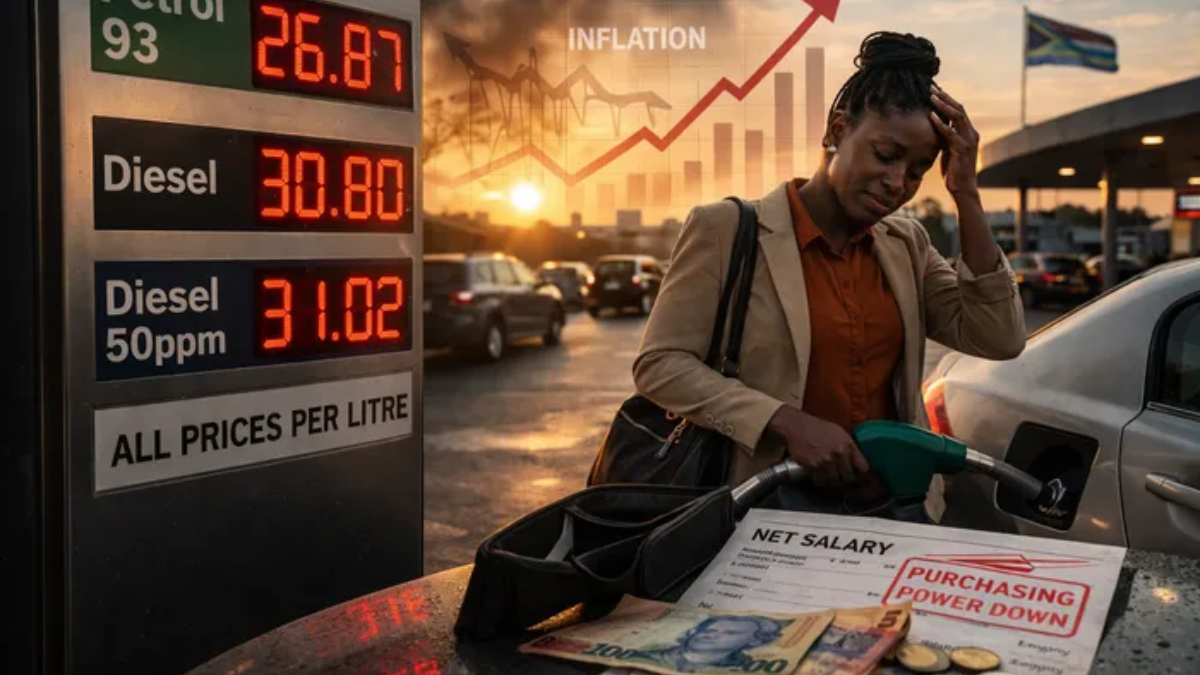
The Rising Cost of Petrol and Its Impact on the Economy
Increasing petrol prices have become a major concern for motorists, households, and businesses around the world. As fuel costs continue to fluctuate, consumers are finding it increasingly difficult to manage their monthly expenses. Petrol is an essential part of everyday life, particularly for people who depend on private vehicles for work, education, business, and other daily activities.
When petrol prices increase, the impact goes far beyond filling up a vehicle. Higher fuel costs can influence transportation, food prices, delivery services, and the overall cost of living. For many households, even a small increase in petrol prices can create additional financial pressure.
Why Are Petrol Prices Increasing?
Several factors contribute to rising petrol prices. One of the biggest influences is the international price of crude oil. Petrol is produced from crude oil, meaning that changes in global oil markets can directly affect the price consumers pay at fuel stations.
International conflicts, political instability, and supply disruptions can also push oil prices higher. When major oil-producing countries experience production challenges or reduce supply, global markets may experience shortages that increase prices.
Another important factor is currency exchange rates. Countries that import crude oil or refined petroleum products often pay in US dollars. When their local currencies weaken against the dollar, importing fuel becomes more expensive.
Taxes, fuel levies, transportation expenses, and refining costs can also contribute to higher petrol prices.
How Increasing Petrol Prices Affect Ordinary People
Rising petrol prices have a direct impact on household budgets. Motorists must spend more money to travel to work, take children to school, visit family members, and complete everyday activities.
For people who rely on their vehicles for employment, higher fuel costs can reduce the amount of money available for groceries, electricity, rent, and other essential expenses.
Low-income households are particularly vulnerable because transportation often represents a significant portion of their monthly spending.
In countries such as South Africa, where many people depend on road transportation, increasing petrol prices can place additional pressure on already stretched household budgets.
The Impact on Food and Other Essential Goods
One of the biggest consequences of increasing petrol prices is the rising cost of goods and services.
Businesses depend on transportation to move products from farms, factories, warehouses, and distribution centres to shops and consumers. When diesel and petrol prices increase, transportation companies face higher operating expenses.
These additional costs are often passed on to customers through higher prices.
Food products, building materials, clothing, and household essentials can all become more expensive when transportation costs rise.
Farmers may also experience higher production expenses because agricultural machinery, transportation, and the delivery of supplies depend heavily on fuel.
As a result, rising petrol prices can contribute to inflation and reduce consumers’ purchasing power.
Challenges for Businesses and Transport Operators
Increasing fuel prices create serious challenges for businesses, especially those operating delivery vehicles, taxis, buses, and trucks.
Transport operators may struggle to maintain profitability because fuel represents a major portion of their operating expenses.
Some businesses respond by increasing delivery fees, adjusting service prices, or reducing unnecessary journeys. Others may experience lower profits because customers are unable or unwilling to pay higher prices.
Small businesses are particularly affected because they often have limited financial resources to absorb unexpected increases in operating costs.
How Motorists Can Save Money on Fuel
Although motorists cannot control international oil prices, they can adopt practical habits to reduce fuel consumption.
Here are some useful ways to save money:
- Drive efficiently: Avoid unnecessary acceleration and sudden braking.
- Maintain your vehicle: Regular servicing can improve fuel efficiency.
- Check tyre pressure: Properly inflated tyres help reduce fuel consumption.
- Plan your journeys: Combine errands to avoid unnecessary trips.
- Avoid excessive idling: Switch off your engine when waiting for extended periods where safe.
- Compare fuel prices: Look for competitive prices at nearby fuel stations.
- Consider carpooling: Sharing transport can help reduce individual fuel expenses.
These small changes can make a meaningful difference over time.
What Does the Future Hold for Petrol Prices?
The future of petrol prices will depend on several economic and political factors. Global oil production, international demand, currency movements, government taxes, and geopolitical developments will continue to influence fuel costs.
The growing adoption of electric vehicles and alternative energy sources may also gradually reduce dependence on traditional petroleum products.
However, petrol will remain an important energy source in many countries for the foreseeable future.
Conclusion
Increasing petrol prices are more than just a financial inconvenience for motorists. They affect household budgets, business operations, transportation costs, and the prices of essential goods.
As fuel expenses continue to place pressure on consumers, households and businesses must find ways to manage their spending and improve efficiency.
Governments also have an important role to play in developing sustainable energy policies, supporting economic stability, and reducing the financial burden on consumers.
Ultimately, understanding the causes and consequences of rising petrol prices can help individuals make better financial decisions and prepare for future increases in the cost of living.