
Durban Selected as South Africa’s Preferred Olympic Bid City
South Africa has selected Durban as its preferred city to bid for the 2036 or 2040 Olympic Games. Find out what happens next and why the decision matters.
South Africa has selected Durban as its preferred city for a bid to host either the 2036 or 2040 Olympic Games, raising the possibility that Africa could host the world’s biggest sporting event for the first time. The announcement was made on 29 October 2026 by the South African Sports Confederation and Olympic Committee (SASCOC).
The organization’s acting president, Lwandile Simelane, confirmed that Durban would lead the country’s hosting proposal. The South African government has backed the bid following Cabinet approval. However, the announcement does not mean that Durban has secured the Games. South Africa must still progress through the international selection process before the host country can be confirmed.
The proposal has attracted attention because of the potential sporting, tourism and infrastructure opportunities associated with hosting an Olympic Games. Reuters reported that SASCOC plans to present its proposal to the International Olympic Committee’s Future Host Commission in November 2026.
Why Was Durban Selected?
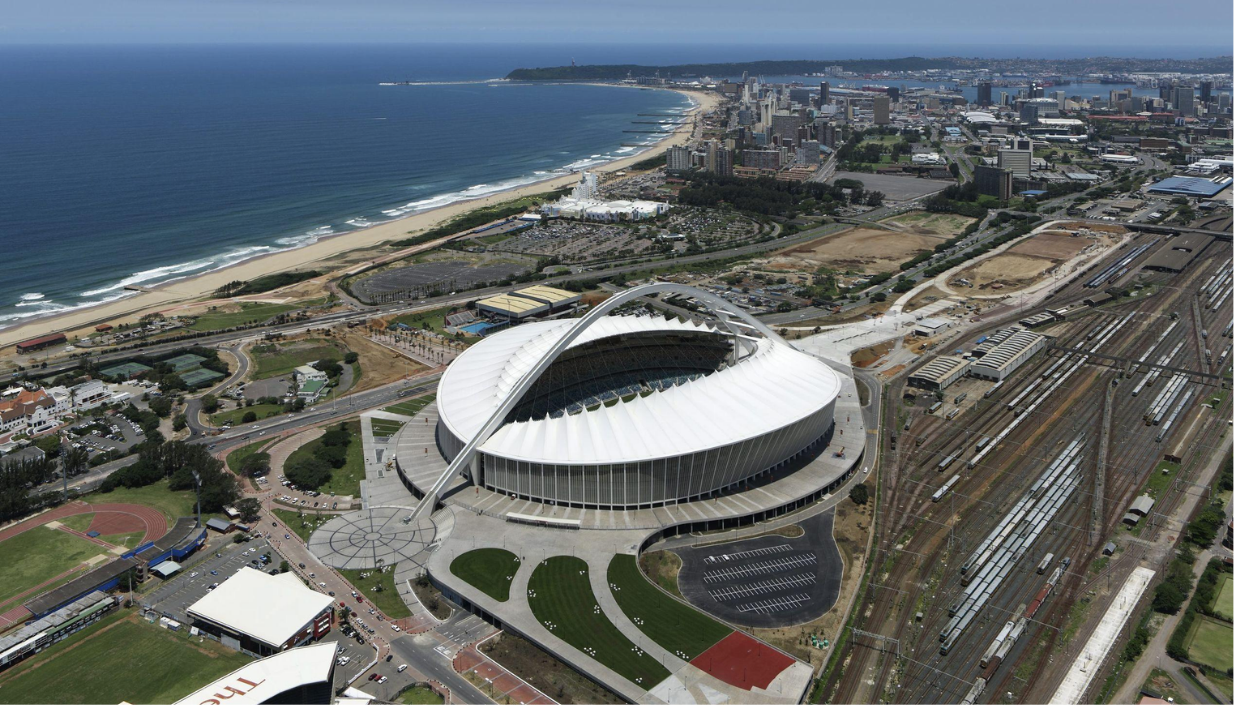
Durban is a coastal city in KwaZulu-Natal known for its beaches, tourism industry and major sporting facilities. The city also hosted matches during the 2010 FIFA World Cup, which was the first edition of the football tournament held on African soil. One of Durban’s best-known sporting venues is Moses Mabhida Stadium, which was built for the 2010 World Cup. The city also has a developed hospitality sector and transport links that could form part of a broader hosting proposal.
Selecting Durban as the preferred candidate does not necessarily mean that every Olympic event would take place there. South Africa’s proposal could involve several cities, allowing different venues and facilities to be considered for different sporting events. Johannesburg and Cape Town were also considered as potential candidates, according to reporting by the Associated Press.
What Has the South African Government Approved?
The government has supported South Africa’s intention to pursue the Olympic hosting opportunity. This support is an important step because organizing an event of this scale would require coordination between sporting organizations, national departments, municipalities and other stakeholders. The planning process would need to consider venues, transport, accommodation, security, infrastructure, public services and financial commitments.
However, selecting a preferred city and obtaining government backing are not the same as receiving the final hosting rights. The proposal must still be assessed through the International Olympic Committee’s process. Officials will need to develop the details of the bid before South Africa can know whether it will be selected.
When Will the Olympic Host Be Announced?
The next important stage is the presentation to the International Olympic Committee’s Future Host Commission, which SASCOC plans to undertake in November 2026. According to Reuters, feasibility reviews are expected to conclude in March 2027, while the final host selection is planned for 2029.
These stages give South Africa time to develop its proposal and address questions about whether the country can deliver the Games successfully. The decision will depend on the international hosting process, so South Africa’s preferred bid city should not be confused with a confirmed Olympic host.
Could the Olympics Benefit Durban and South Africa?
Hosting an Olympic Games can create opportunities for tourism, hospitality, construction, transport and other industries. A successful bid could also bring international attention to South Africa and provide opportunities to showcase its cities, sporting talent and cultural attractions.
Businesses could benefit from increased visitor spending, while infrastructure projects associated with the event could support economic activity if they are properly planned and delivered. However, these potential benefits are not guaranteed.
The financial costs of hosting the Olympics can be substantial, and the long-term outcome depends on planning, funding, infrastructure readiness and the use of facilities after the event. South Africa would need to assess the expected benefits against the costs and ensure that public resources are managed responsibly.
Durban’s Previous Commonwealth Games Challenge
Durban has previously been associated with hosting a major international sporting event. The city was awarded the 2022 Commonwealth Games but lost the hosting rights in 2017 after the Commonwealth Games Federation cited a failure to meet key obligations. That history is relevant because it highlights the importance of financial planning, clear commitments and the ability to meet international event requirements.
The current Olympic proposal will need to demonstrate that the necessary preparations and commitments can be delivered. The previous Commonwealth Games decision does not determine the outcome of the Olympic bid, but it provides important background to Durban’s hosting ambitions.
What Happens Next?
South Africa’s Olympic hosting proposal now moves into another stage of preparation and international engagement. SASCOC will need to present its plans and continue working through the requirements of the International Olympic Committee. For Durban, the announcement marks an important development in the city’s sporting ambitions. For South Africa, it creates an opportunity to pursue an event that could bring worldwide attention to the country.
Nevertheless, the final outcome remains undecided. The next major developments will involve the bid prezantation, feasibility assessments and the international selection process. For now, Durban is South Africa’s preferred city for a possible 2036 or 2040 Olympic Games bid. Whether the country ultimately secures the event will become clearer as the process progresses.