
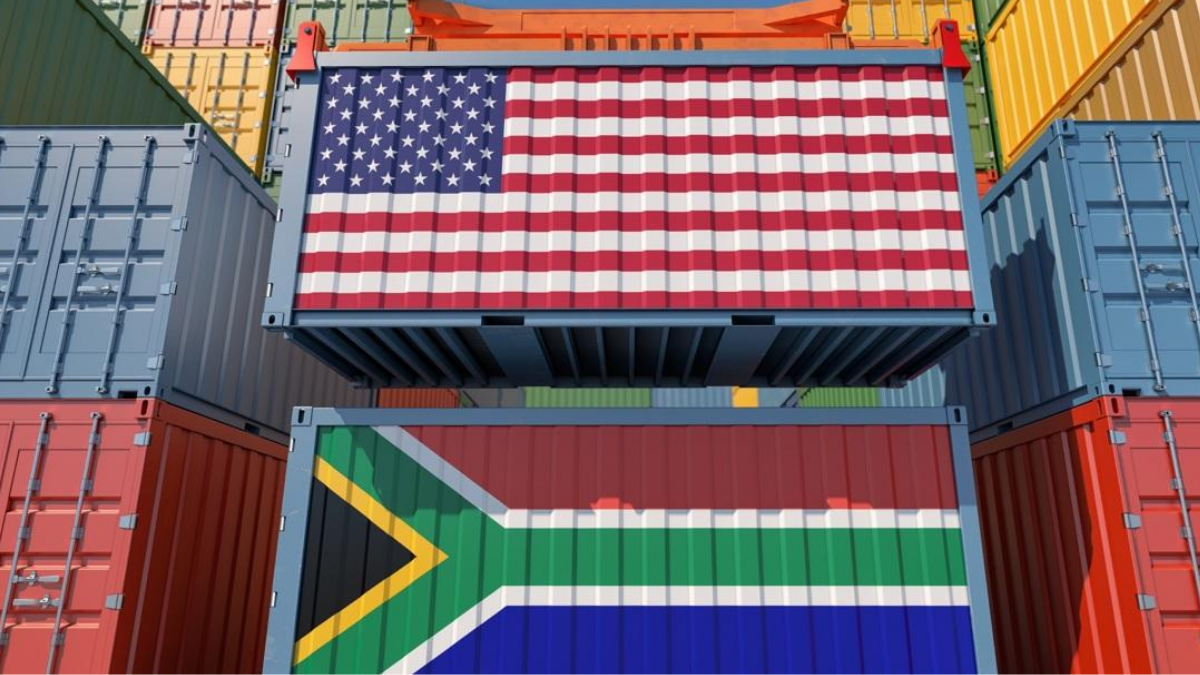
US Moves to Remove South Africa From AGOA: R28 Billion Trade Relationship Faces New Uncertainty
The US plans to remove South Africa from AGOA in January 2027, putting preferential trade access worth billions of dollars under pressure. South Africa is facing a fresh trade challenge after the United States announced its intention to remove the country from the African Growth and Opportunity Act (AGOA), a programme that has provided eligible African exporters with preferential access to the American market.
The announcement was made by the administration of US President Donald Trump on 2 November 2026. The proposed termination is scheduled to take effect from 1 January 2027, affecting South Africa and Rwanda. The decision could create additional pressure for South African industries that export vehicles, automotive components, agricultural products and other goods to the United States.
South Africa’s government has responded by saying it will support affected industries while continuing to pursue trade and investment opportunities with Washington and other international partners. The development comes after months of diplomatic and trade discussions between the two countries over South Africa’s eligibility for the programme.
What is AGOA and why does it matter?
The African Growth and Opportunity Act is a United States trade programme introduced in 2000. It provides qualifying sub-Saharan African countries with preferential access to the US market, allowing eligible products to enter without ordinary import duties.
The programme was designed to strengthen economic relationships between the United States and African countries, encourage investment and support export-led development. South Africa has been one of its biggest beneficiaries. The country exported approximately $1.7 billion worth of goods to the United States under AGOA in 2025, according to reporting by Reuters.
The preferential arrangement has been particularly important for industries that compete in international markets where import duties can affect the final price of products. South African exports benefiting from the programme include motor vehicles and automotive components, citrus products and wine.
Losing access could therefore make some exports more expensive for American buyers and place additional pressure on businesses competing against international suppliers.
Why is the Trump administration targeting South Africa?
The Office of the United States Trade Representative announced that President Trump had notified Congress and the South African and Rwandan governments of his intention to terminate their participation in AGOA. US Trade Representative Jamieson Greer said the administration’s review found that the two governments were engaging in practices considered inconsistent with the programme’s eligibility requirements.
In South Africa’s case, Washington identified concerns involving barriers to American trade and investment, corruption, and what it described as threats to US national security and foreign policy interests. The announcement did not provide detailed examples of every concern in its public statement. The decision comes amid deteriorating relations between Washington and Pretoria.
The two governments have disagreed over several political, economic and foreign-policy matters, including South Africa’s domestic policies and its international positions.
The South African government has previously rejected several American criticisms and maintained that its constitutional principles and sovereign decision-making must be respected. The AGOA decision adds another significant issue to an already difficult relationship.
South Africa says it will support affected industries
South Africa’s Department of Trade, Industry and Competition responded to the announcement by saying government would support sectors affected by the decision. The department also indicated that the country would continue pursuing trade, investment and shared economic opportunities with the United States.
The government described AGOA as important but stressed that it does not represent the entire economic relationship between the two countries. According to figures cited by the department, exports under AGOA account for approximately 10% of South Africa’s total exports to the United States and around 1% of the country’s overall global exports.
These figures do not mean the impact would be insignificant. For companies that rely heavily on preferential access, losing the benefit could affect prices, contracts, production decisions and employment. Trade and Industry Minister Parks Tau had previously said South Africa was prepared for different possible outcomes and would continue engaging Washington.
The minister also highlighted efforts to expand South African export opportunities in other markets.
Which South African industries could feel the pressure?
The automotive sector is among the industries that could face additional challenges. South Africa exports vehicles and automotive components to the United States, with manufacturers and suppliers operating within international production networks.
A change in trade arrangements could affect the competitiveness of products that previously benefited from preferential access. Agriculture is another important area.
South African citrus producers and other agricultural exporters have developed international markets, including the United States. Wine producers could also face changes in the cost of accessing American buyers.
The actual impact will depend on the products involved, the ordinary import duties applied after any termination, and whether alternative trade arrangements are secured. It would therefore be premature to claim that every exporter will experience the same financial consequences.
Businesses that have built long-term supply agreements around existing trade conditions may need to assess their exposure and prepare for possible changes.
South Africa is looking for alternative export markets
Government has been working to diversify South Africa’s trading relationships rather than depend too heavily on a single market. Minister Tau has identified opportunities across Africa, India, the European Union, the United Kingdom, China and other international markets.
The African Continental Free Trade Area is one important part of this strategy because it aims to strengthen trade between African economies. Expanding access to other markets could create opportunities for South African manufacturers, agricultural producers and businesses looking to grow their exports.
However, finding replacement markets is not always immediate. Companies must meet different regulatory requirements, establish commercial relationships, manage transportation costs and compete with suppliers already operating in those markets. The United States remains an important destination for South African products, making continued diplomatic engagement valuable even as government pursues diversification.
What happens from January 2027?
The announcement identifies 1 January 2027 as the intended effective date for terminating South Africa’s AGOA eligibility. The development does not mean that all trade between South Africa and the United States will automatically stop.
Companies will still be able to trade, but eligible products could lose the preferential duty treatment provided through the programme if the termination takes effect. The two countries also maintain a much wider economic relationship involving investment, services and trade outside AGOA.
South Africa’s immediate challenge will be to continue diplomatic engagement, prepare affected industries and identify opportunities to protect export activity. For businesses, the coming weeks will be important as they assess potential changes to their American market access.
The decision represents a serious warning for exporters, but it also places renewed attention on the importance of strengthening South Africa’s international trade relationships. Whether further negotiations can change the outcome remains an important question for the country’s manufacturers, agricultural producers and workers.