
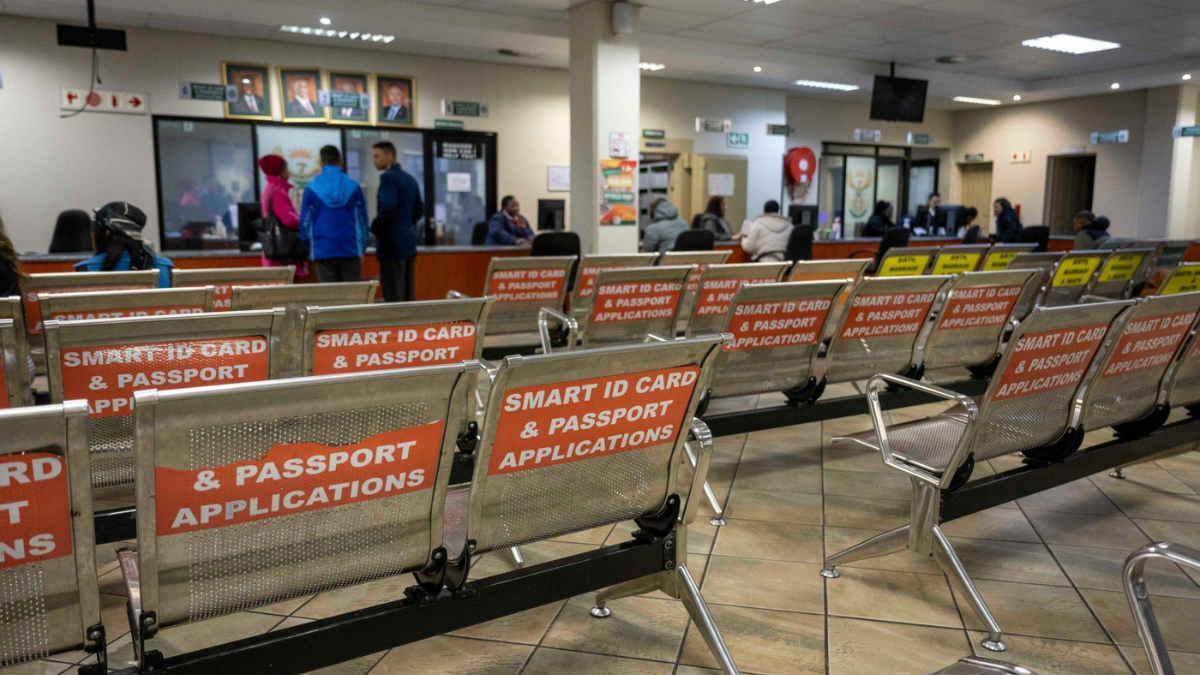
Smart ID Revolution: 753 Bank Branches Now Offer Faster Applications as Home Affairs Beats Target
Home Affairs has expanded Smart ID replacement services to 753 bank branches. Find out how the service works and where to apply.
South Africans who still use the green barcoded identity document now have more places to apply for a replacement Smart ID card, following a major expansion of Home Affairs services through the banking sector. The Department of Home Affairs announced on 11 November 2026 that its Smart ID replacement service had reached 753 participating bank branches across the country. The achievement came more than four months before the department’s original March 2027 target.
More than one million South Africans have already benefited from the digital service, which allows eligible applicants to complete their applications at participating bank branches without the traditional paperwork and advance booking requirements. The expansion forms part of the department’s Home Affairs @ home programme, which aims to modernise government services and make identity documents easier to access.
The development could make a significant difference to people who previously had to travel long distances or spend hours waiting at Home Affairs offices. South African Government+2
1. Smart ID services reach 753 bank branches
The latest announcement marks a major milestone in the department’s partnership with South Africa’s banking sector. When the digital partnership became operational on 9 March 2026, Home Affairs set a target of making Smart ID replacement services available at 750 bank branches by the end of the 2026/27 financial year. Eight months later, the department had already exceeded that target, with 753 participating branches offering the service.
The expansion has increased the number of locations where Smart ID applications can be processed to 967 nationwide. This includes 753 bank branches and 214 Home Affairs offices. According to the department, the number of participating bank branches increased by more than 350% in 246 days.
The four participating banking groups are Absa, Capitec, First National Bank and Standard Bank. Home Affairs says additional banks and services are expected to join the digital partnership as the programme develops. South African Government+1
2. More than one million South Africans have used the service
The expansion is not only about increasing the number of participating branches. Home Affairs says more than one million South Africans have already used the banking partnership to access Smart ID services. The department previously announced on 26 October that the programme had passed one million beneficiaries, with 1,002,773 people having used the service at that stage.
The latest announcement confirms that the programme has continued to expand. The results suggest that many South Africans are willing to use digital government services when they are made available through familiar locations such as banks.
For people who live far from a Home Affairs office, having another service point nearby could reduce travel costs and time away from work. However, the actual convenience depends on whether a participating branch is accessible and has the service operating when an applicant visits. South African Government+1
3. Applications can take approximately five minutes
One of the biggest attractions of the new system is the simplified application process. According to Home Affairs, eligible applicants can walk into a participating bank branch without making a prior booking or completing traditional paper forms. The process uses secure biometric technology to capture the applicant’s information.
The department says the application process can take approximately five minutes. This is a major change from the traditional experience, where applicants often had to make appointments, travel to government offices and wait for service.
The five-minute figure refers to the application process described by the department. It should not be confused with the time required to manufacture, issue or collect the finished Smart ID card. Applicants should also check that the branch they intend visiting is currently providing the service before travelling. South African Government+1
4. The green ID book is being phased out
The expansion is part of Home Affairs’ longer-term plan to replace South Africa’s green barcoded ID book with the Smart ID card. The department has previously stated that approximately 14.7 million green ID books remain in circulation.
The government considers the Smart ID card a more secure identity document and says replacing the older books will help strengthen the country’s identity system.
In its 26 October announcement, Home Affairs outlined a roadmap under which production of the green ID book is scheduled to stop on 31 March 2027, with recognition of the document as a valid form of identification scheduled to end on 31 March 2028.
These dates are important for South Africans who have not yet switched to the Smart ID card. People should follow official government announcements for any changes to the transition arrangements and avoid relying on unverified social media claims about identity documents. South African Government+1
5. How to find a participating bank branch
South Africans who want to replace their green ID books or obtain a reissue of an existing Smart ID can use the department’s official online branch locator. The service is available through participating branches of Absa, Capitec, FNB and Standard Bank.
Applicants can visit the official Home Affairs online platform to identify a participating branch: Before visiting, applicants should confirm that the selected branch offers Smart ID services and check its operating arrangements.
The current banking partnership is specifically intended for replacement Smart ID services, including switching from the green barcoded book and reissuing existing Smart ID cards.
It should not be assumed that first-time Smart ID applications or passport applications are already available at every participating branch. Home Affairs has indicated that further services are planned as the partnership expands. South African Government+2
What comes next for Home Affairs?
The department is expected to announce another phase of its digital partnership with the banking sector on 18 November 2026 in Cape Town. The announcement could provide more information about how Home Affairs intends to expand its services beyond Smart ID replacements.
For now, the achievement of 753 participating bank branches represents a significant change in how South Africans can access identity services. The next challenge will be ensuring that the expanded network remains reliable, reaches underserved communities and helps people obtain their documents without unnecessary delays.