
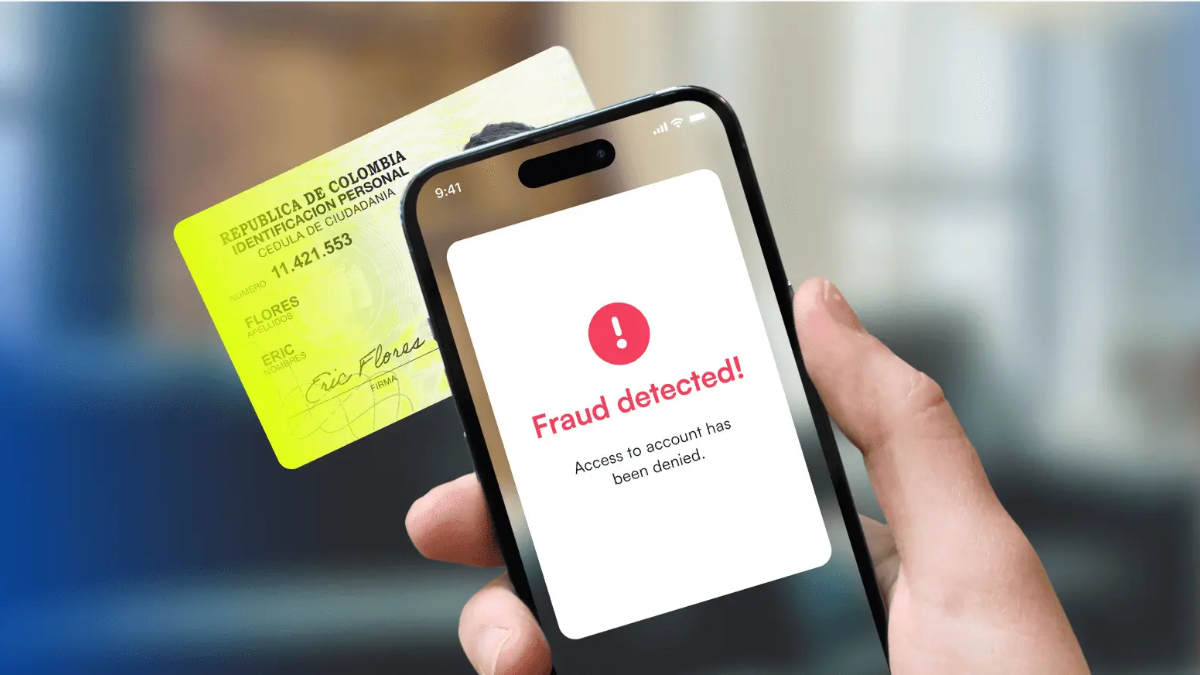
New Banking Scams: How Criminals Are Targeting South African Account Holders
South African bank customers are facing increasingly sophisticated banking scams as criminals find new ways to steal personal information, access bank accounts and deceive people into transferring money. While digital banking has made it easier to manage finances, it has also created opportunities for fraudsters to target unsuspecting customers.
Banking scams are no longer limited to suspicious emails or fake messages. Criminals now use phone calls, WhatsApp messages, fraudulent websites and convincing impersonation tactics to make their schemes appear legitimate.
According to the South African Banking Risk Information Centre (SABRIC), digital banking crime continues to cause significant financial losses. Its reported figures highlight the growing threat facing customers who use banking applications and other digital services.
How Criminals Are Targeting Bank Customers
1. Fake Banking Messages and Phishing Links
Phishing remains one of the common methods used by criminals to steal banking information. Victims receive SMS messages, emails or WhatsApp messages claiming to come from their banks.
These messages may warn that an account has been suspended, a payment needs confirmation or personal information must be updated urgently. They often contain links directing customers to fraudulent websites designed to look like legitimate banking platforms.
Once customers enter their login details, passwords or one-time PINs, criminals can use the information to access their accounts.
Customers should avoid clicking on banking links received through unexpected messages. It is safer to open the official banking application or type the bank’s website address directly into a browser.
2. Criminals Pretending to Be Bank Employees
Another dangerous scam involves fraudsters pretending to work for a bank. They may call customers and claim there is suspicious activity on their accounts.
The caller may sound professional and use banking terminology to gain the victim’s trust. They might then request confidential information, including passwords, PINs or one-time passwords.
A genuine bank should not require customers to disclose their full banking passwords or PINs over the phone.
If someone calls unexpectedly claiming to represent a bank, customers should end the call and contact the bank using the official number listed on its website or banking application.
3. SIM Swap Scams
SIM swap fraud occurs when criminals obtain control of a victim’s mobile phone number by arranging for the number to be transferred to another SIM card.
Once they gain control of the number, they may receive banking notifications and security messages intended for the legitimate account holder.
This can help criminals attempt to reset passwords or approve certain transactions.
Customers should contact their mobile network provider immediately if their phone suddenly loses network service without an obvious explanation. They should also notify their bank if they suspect their number has been compromised.
4. Account Takeover Fraud
Account takeover happens when criminals gain unauthorised access to someone’s banking profile. This may happen after stealing login details through phishing, impersonation or other fraudulent methods.
Once inside an account, criminals may change security information, add beneficiaries or attempt to transfer money.
Customers should use strong, unique passwords and activate all available security features. Banking notifications should also be monitored carefully so that suspicious activity can be identified quickly.
5. Remote-Access Software Scams
Some fraudsters persuade victims to install applications that allow another person to access or control their devices.
They may claim the software is needed to fix a banking problem, reverse a fraudulent transaction or provide technical assistance.
Once installed, the software can give criminals access to sensitive information displayed on the device.
Never install remote-access software because of an unexpected call or message claiming to come from your bank. Contact your financial institution directly before following any instructions.
6. Fake Proof of Payment
Fake proof of payment scams often target people selling goods or providing services.
A criminal sends a fraudulent payment confirmation to convince the seller that money has been transferred. The seller may then release the goods before checking whether the funds have actually arrived.
A screenshot or payment notification is not sufficient proof that money has cleared.
Always verify the payment directly in your banking application before handing over goods or completing a transaction.
Warning Signs That You May Be Dealing With a Banking Scam
Customers should be cautious when they receive messages or calls involving:
- Urgent demands to protect or unlock a bank account.
- Requests for passwords, PINs or one-time passwords.
- Unexpected links asking for personal or financial information.
- Instructions to transfer money into a so-called safe account.
- Pressure to install unfamiliar applications.
- Claims that a banking problem must be resolved immediately.
- Unexpected notifications about transactions they did not make.
Criminals often create a sense of urgency because they want victims to act before thinking carefully.
How South Africans Can Protect Their Bank Accounts
There are several practical steps customers can take to reduce their risk of becoming victims of banking fraud.
First, never share your banking PIN, password or one-time password with anyone. Keep your login details private, even when someone claims to be a bank employee.
Second, avoid clicking on links in unexpected messages. If a message appears to come from your bank, verify it through official banking channels.
Third, use strong passwords and avoid using the same password across multiple accounts. Enable available security notifications so that you can monitor activity.
Customers should also keep their phones and banking applications updated. Avoid conducting banking transactions using public Wi-Fi networks unless appropriate security protections are in place.
Most importantly, never transfer money because someone on the phone instructs you to do so. Take time to verify the request independently.
What to Do If You Have Been Scammed
Anyone who suspects that their banking information has been compromised should act immediately.
Contact your bank using its official fraud-reporting channels and request that affected cards, accounts or digital banking access be secured where necessary.
Change compromised passwords, report suspicious transactions and keep records of messages, phone numbers and payment details connected to the incident.
If money has been stolen, report the matter to the South African Police Service and obtain a case reference number. You should also inform your bank about the police report.
Reporting suspected fraud quickly may help the bank investigate the incident and take steps to limit further losses.
Conclusion
Banking scams in South Africa are becoming more sophisticated, making it increasingly important for customers to protect their personal and financial information.
Fraudsters rely on fear, urgency and deception to convince people to reveal confidential details or approve transactions. Understanding how these scams work can help customers recognise suspicious behaviour before losing money.
South Africans should remember that protecting a bank account starts with caution. Never share confidential banking information, verify unexpected requests and contact your bank immediately when something does not seem right.