
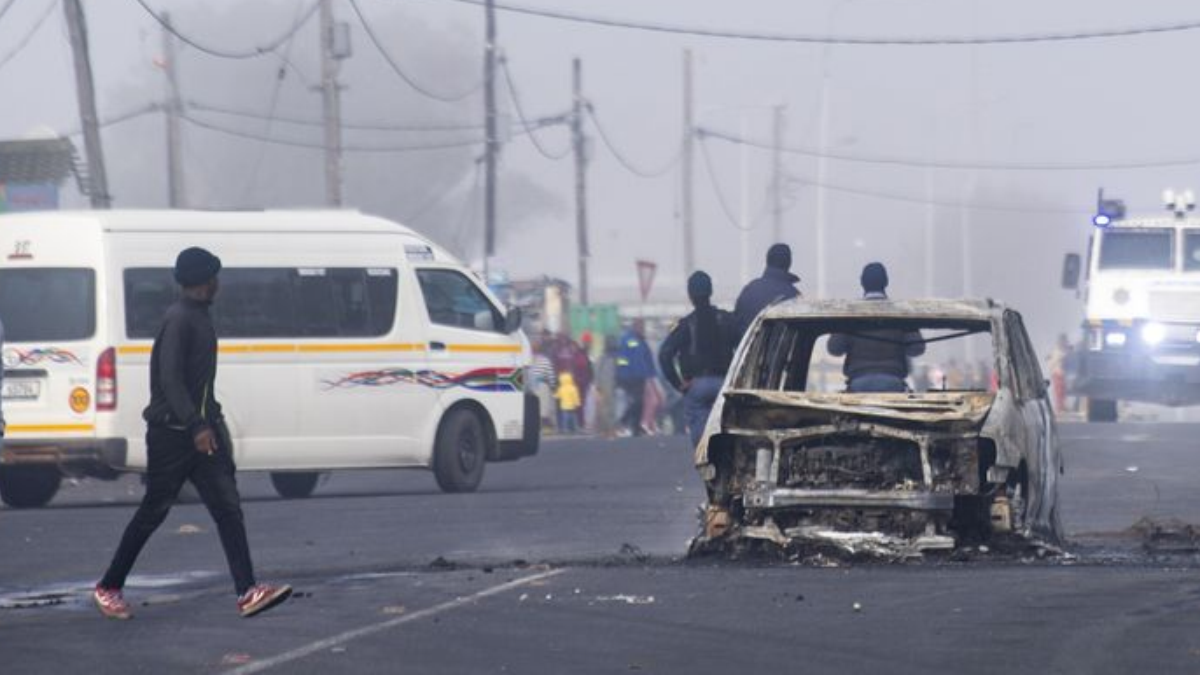
Cape Town Taxi Violence: A Growing Concern for Commuters and Communities
Cape Town taxi violence remains a serious concern for residents, commuters, taxi operators, and authorities across the Western Cape. The minibus taxi industry plays a vital role in transporting thousands of people to work, school, and other essential destinations. However, recurring disputes, shootings, and transport disruptions have raised questions about public safety and the long-term stability of the industry.
Recent incidents have once again highlighted the dangers associated with disagreements between rival taxi associations. On 28 October 2026, the City of Cape Town temporarily closed the Delft Public Transport Interchange following renewed violence linked to longstanding route disputes. Authorities also reported concerns about violence spreading to Mfuleni and Gugulethu. Source: City of Cape Town.
What Is Causing Taxi Violence in Cape Town?
One of the major factors contributing to taxi violence is competition over operating routes and passenger demand. Taxi associations depend on particular routes to generate income, and disagreements over who has the right to operate in certain areas can create tension between rival groups.
Disputes involving the Cape Amalgamated Taxi Association (CATA) and the Cape Organisation for the Democratic Taxi Association (CODETA) have been particularly prominent in areas including Delft, Khayelitsha, Mfuleni, and Somerset West.
However, route disagreements are not the only contributing factor. Operating licence disputes, competition between associations, route invasions, and internal leadership conflicts can also contribute to instability. The Western Cape government has identified these overlapping issues as challenges requiring stronger regulation and effective conflict resolution. Source: Western Cape Provincial Parliament.
The Impact on Commuters and Local Communities
Taxi violence affects far more people than those directly involved in disputes. For many Cape Town residents, minibus taxis are an essential and affordable means of transport. When services are suspended or taxi ranks are closed, workers may struggle to reach their workplaces, learners may face difficulties getting to school, and businesses can lose valuable working hours.
The situation becomes even more concerning when commuters are exposed to shootings, intimidation, or violence near public transport facilities. Families can lose loved ones, while survivors and witnesses may experience lasting emotional trauma.
Transport disruptions also place additional pressure on alternative services, including buses and trains. People who cannot afford other transport options are often among those most severely affected.
Government Response to Taxi Violence
Authorities have introduced several measures to address the problem, including law enforcement operations, court interventions, route restrictions, and efforts to encourage negotiations between rival associations.
In September 2025, the Western Cape government announced temporary closures of certain minibus taxi routes in response to ongoing violence. The measures were intended to protect commuters and create an opportunity to restore stability. Alternative transport arrangements were also made to help residents continue their daily journeys.
More recently, the temporary closure of the Delft interchange demonstrated that authorities remain concerned about the risks posed by renewed clashes.
Although these interventions can help reduce immediate danger, lasting progress will require consistent enforcement, transparent operating arrangements, and meaningful cooperation between taxi associations and government agencies.
Possible Solutions to End Taxi Violence
Addressing Cape Town taxi violence requires more than temporary route closures. Authorities must ensure that operating licences are properly managed, route disputes are resolved through lawful procedures, and those responsible for violent crimes are held accountable.
Taxi associations also need effective mediation mechanisms that allow disagreements to be addressed before they escalate. Regular communication between operators, government officials, police, and community representatives could help identify emerging tensions and prevent further conflict.
Improved public transport planning and reliable alternative services would also reduce the disruption experienced by commuters during periods of instability.
Conclusion
Cape Town taxi violence remains a complex challenge with serious consequences for public safety, economic activity, and community wellbeing. While the minibus taxi industry provides an essential service, disputes over routes and operating rights must never result in intimidation or loss of life.
A lasting solution will depend on cooperation, fair regulation, effective policing, and a shared commitment to peaceful negotiations. Above all, the safety of commuters must remain the priority. Every resident deserves to travel to work, school, and home without fear of becoming caught in a violent dispute.