
Which Industries Could Create More Jobs in South Africa in 2027?
South Africa could see new employment opportunities emerge across several industries in 2027 as businesses, government and investors look for ways to strengthen economic growth and address the country’s persistent unemployment challenge. Agriculture, tourism, mining, manufacturing, renewable energy, construction and technology are among the sectors that could contribute to job creation over the coming year.
With millions of South Africans still struggling to find employment, the ability of these industries to expand will be important for the country’s economic future. Although no sector can guarantee large-scale employment growth, ongoing investment, infrastructure improvements and economic reforms could create opportunities for workers with different levels of education and experience.
The government’s latest growth and employment initiatives have also identified several industries as important drivers of future economic development.
1. Agriculture and Agro-processing
Agriculture remains one of South Africa’s most important industries for employment, particularly in rural communities.
The sector supports opportunities in crop production, livestock farming, fruit harvesting, food processing, packaging, distribution and agricultural exports.
In 2027, investment in commercial farming, irrigation infrastructure and agricultural processing could create additional opportunities for farm workers, machinery operators, packers, quality controllers and logistics employees.
Agro-processing is particularly important because it allows agricultural products to be processed locally before reaching supermarkets and international markets.
For example, fruit produced in South Africa can support employment beyond farming through processing facilities, packaging companies, cold-storage operations and export businesses.
However, access to water, electricity, suitable transport infrastructure and international markets will influence how quickly the industry can expand.
2. Renewable Energy and Electricity Infrastructure
South Africa’s energy industry could become an important source of employment in 2027.
Growing investment in solar power, wind energy, electricity transmission and energy storage is creating demand for technical skills and construction-related services.
Potential employment opportunities include electrical technicians, solar panel installers, engineers, construction workers, maintenance personnel and project administrators.
The expansion of renewable energy projects could also support indirect employment in manufacturing, transportation, security and equipment supply.
Government and private-sector investment in electricity infrastructure will be particularly important as the country works towards improving energy reliability and expanding electricity generation capacity.
The development of additional transmission infrastructure could create further opportunities for contractors and skilled workers.
3. Tourism and Hospitality
Tourism is another industry with significant potential to support employment growth.
South Africa attracts international visitors through its wildlife destinations, beaches, cultural attractions, natural landscapes and major cities.
As international tourism develops, hotels, restaurants, tour operators, airlines and travel companies may require additional employees.
Possible opportunities include hotel receptionists, chefs, waiters, cleaners, tour guides, drivers, travel consultants and customer service representatives.
Tourism can also benefit small businesses operating in local communities.
Guesthouses, transport operators, craft businesses, restaurants and entertainment companies can benefit from increased visitor spending.
The government’s growth strategy includes improving visa processes and expanding international tourism as part of its efforts to stimulate economic activity.
If visitor numbers increase and businesses expand their operations, the hospitality industry could provide employment opportunities for young people entering the labour market.
4. Mining and Mineral Processing
Mining continues to play an important role in South Africa’s economy.
The country has valuable mineral resources, including platinum group metals, gold, manganese, chrome, coal and iron ore.
Investment in exploration, mining operations and mineral processing could support employment opportunities in 2027.
Potential positions include underground workers, machine operators, artisans, safety officers, engineers, geologists and maintenance technicians.
Mineral beneficiation could also create additional opportunities by encouraging companies to process more raw materials locally instead of exporting them without further development.
The government has identified mining as one of the industries targeted under Phase 3 of its Government-Business Partnership for Growth and Jobs.
The initiative aims to attract investment, improve industry performance and unlock employment opportunities.
Nevertheless, mining employment growth will depend on investment decisions, commodity prices, electricity availability and the efficiency of South Africa’s transport networks.
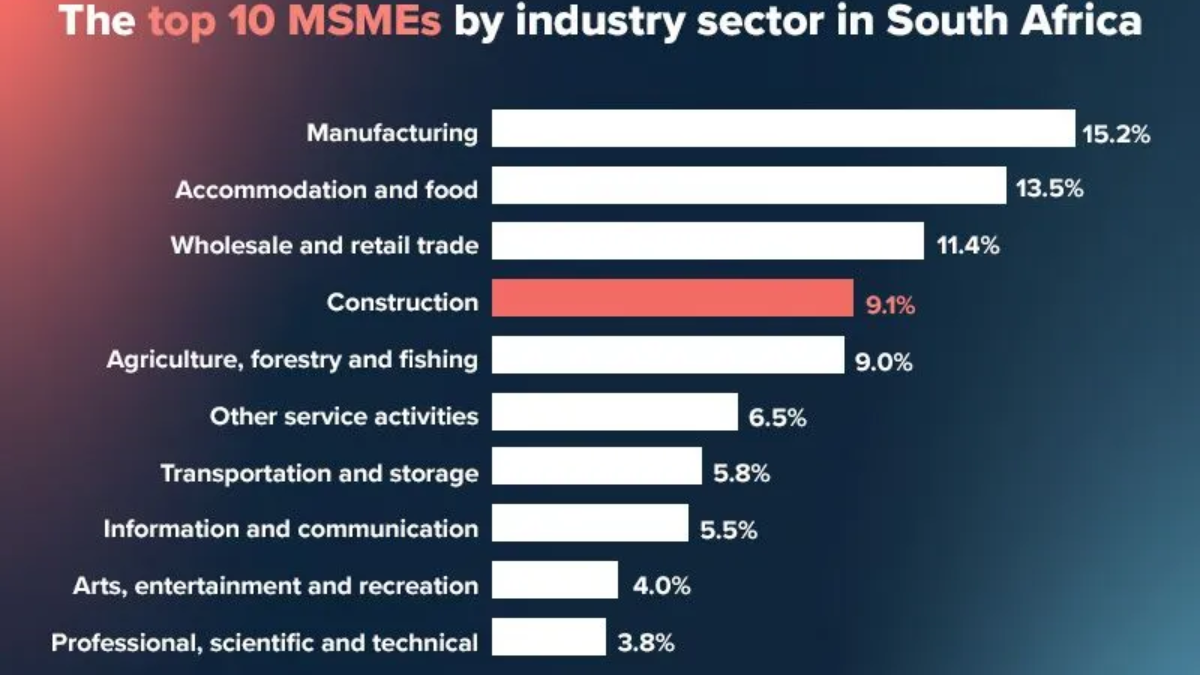
5. Construction and Infrastructure Development
Infrastructure development could become another important source of employment in 2027.
South Africa requires investment in roads, bridges, housing, water systems, electricity networks, railways and public facilities.
These projects can create employment for construction workers, electricians, plumbers, welders, civil engineers, quantity surveyors, truck drivers and general workers.
Infrastructure projects also support businesses supplying building materials, equipment, transportation and professional services.
The expansion of public-private partnerships could help accelerate construction projects and encourage additional private investment.
According to the government’s August 2026 announcement, infrastructure is one of the priority growth areas included in Phase 3 of the Government-Business Partnership for Growth and Jobs.
Successful project implementation could create opportunities across both urban and rural communities.
6. Manufacturing and Industrial Production
Manufacturing remains important for South Africa’s ability to produce goods, strengthen exports and create employment.
Industries such as automotive production, food manufacturing, clothing, chemicals, metal processing and machinery production could support additional jobs if investment and production increase.
Manufacturing creates opportunities for production assistants, machine operators, quality inspectors, warehouse employees, technicians and engineers.
The automotive industry is particularly important because vehicle assembly supports a wider network of component manufacturers, logistics companies and suppliers.
Government policies aimed at strengthening local production could encourage companies to expand manufacturing operations and source more components locally.
However, competition from imported products, production costs and international demand will influence the industry’s employment prospects.
7. Technology and Digital Services
Technology is changing the way businesses operate and creating demand for new skills.
South Africa’s digital economy could support employment in software development, cybersecurity, information technology support, data analysis, cloud computing and digital marketing.
Business process outsourcing is another area with employment potential.
International companies use South African service providers for customer support, technical assistance, administration and other business services.
These operations can create entry-level employment opportunities for people with good communication skills, computer literacy and customer service experience.
The growth of artificial intelligence and digital business operations could also create demand for specialised technical workers.
However, workers may need additional training to remain competitive as technology changes traditional job requirements.
8. Transport and Logistics
South Africa’s transport and logistics industry supports almost every major economic sector.
Businesses depend on efficient roads, railways, ports, warehouses and distribution networks to move goods between producers, suppliers and consumers.
Improving the country’s logistics performance could create opportunities for truck drivers, warehouse assistants, forklift operators, freight coordinators, mechanics and supply chain professionals.
The recovery and expansion of rail and port operations could also support employment across the logistics industry.
Government and business have identified transport and logistics improvements as important foundations for economic growth.
What This Means for South African Job Seekers in 2027
Although these industries offer encouraging possibilities, employment growth will depend on whether investment plans translate into actual business expansion and completed projects.
Job seekers should consider developing practical skills that are relevant to growing industries.
Technical training, computer literacy, customer service experience, engineering qualifications, agricultural skills and vocational training could improve access to available opportunities.
Young people entering the labour market should also pay attention to learnerships, apprenticeships, internships and workplace training programmes.
These programmes can help applicants gain experience while developing skills required by employers.
Final Thoughts
South Africa’s employment outlook for 2027 will depend heavily on economic growth, private investment, infrastructure development and the ability of businesses to expand.
Agriculture, renewable energy, tourism, mining, construction, manufacturing, technology and logistics are among the industries that could contribute to future job creation.
However, opportunities will not emerge automatically. Government institutions, private companies and training organisations will need to work together to address skills shortages, improve infrastructure and create an environment where businesses can grow.
For millions of South Africans seeking employment, the expansion of these industries could offer important opportunities to enter the labour market and build sustainable careers.