
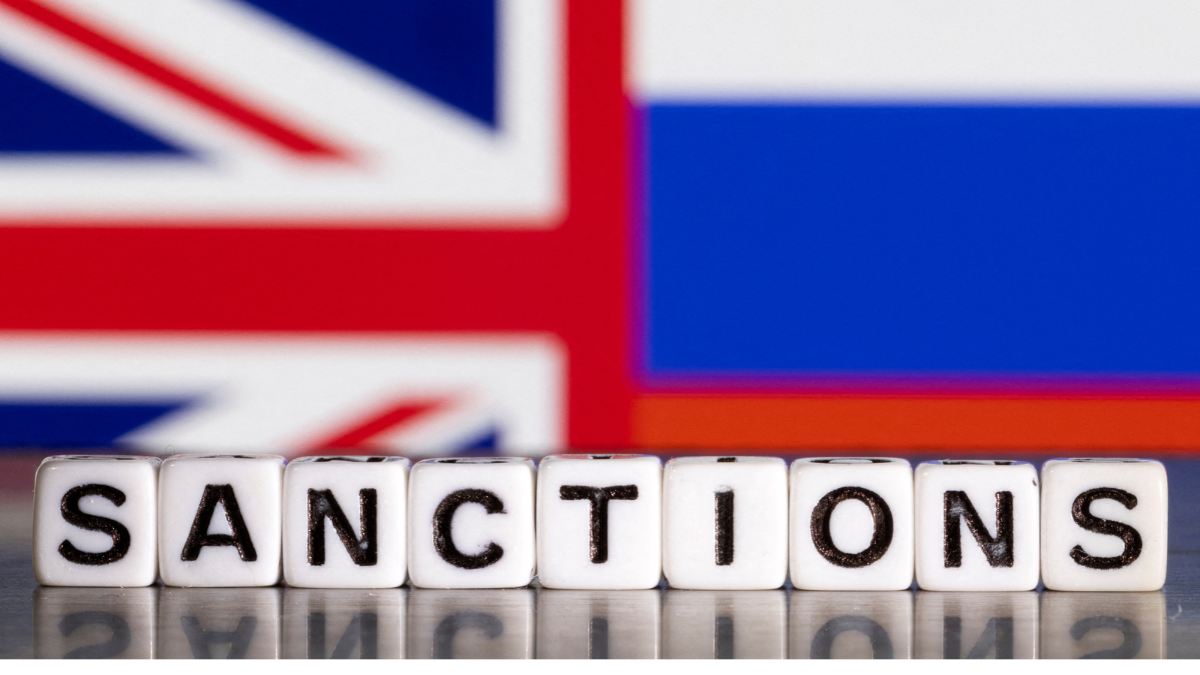
Understanding UK Sanctions: How Britain Uses Restrictions to Influence Global Affairs
The United Kingdom plays an important role in international politics, diplomacy and global security. One of the major tools used by the British government to influence international events is sanctions. These restrictions are designed to respond to activities that threaten national security, international peace, human rights and economic stability.
UK sanctions can affect individuals, companies, financial institutions, governments and international organisations. They can also influence global trade, investment and diplomatic relationships.
As international tensions continue to shape global affairs, understanding how UK sanctions work has become increasingly important for businesses, investors and ordinary citizens.
What Are UK Sanctions?
UK sanctions are legal restrictions imposed by the British government against specific individuals, organisations, countries or activities.
They are generally introduced to discourage unacceptable behaviour, restrict access to financial resources or demonstrate opposition to actions that threaten international security.
The UK’s sanctions framework is primarily governed by the Sanctions and Anti-Money Laundering Act 2018.
The government can introduce sanctions independently or implement measures required by international obligations, including United Nations Security Council decisions.
According to official UK guidance, sanctions can target particular individuals and organisations or apply to specific economic sectors and activities.
Different Types of UK Sanctions
The British government uses several types of sanctions depending on the situation and its foreign policy objectives.
1. Financial Sanctions
Financial sanctions restrict access to money and financial resources. They can include freezing the assets of designated individuals and organisations, preventing businesses from making certain payments and restricting financial services.
These measures aim to limit the ability of targeted individuals or organisations to access the international financial system.
2. Trade Sanctions
Trade sanctions restrict the import and export of certain products, technologies and services.
They can affect industries such as energy, defence, manufacturing and technology. Businesses involved in international trade must carefully check whether their products or commercial partners are subject to restrictions.
3. Travel Bans
Travel sanctions prevent designated individuals from entering or remaining in the United Kingdom.
These restrictions are often used against individuals accused of involvement in serious human rights violations or activities that threaten international security.
4. Transport Sanctions
Transport sanctions can restrict the movement, ownership or registration of certain aircraft and ships.
They may also prevent specified vessels from accessing UK ports or restrict particular aviation activities.
Why Does the UK Impose Sanctions?
The UK government uses sanctions to achieve several foreign policy and national security objectives.
These include responding to international conflicts, discouraging terrorism, addressing serious human rights violations and preventing the development or spread of certain dangerous technologies.
Sanctions can also be used to pressure governments and organisations to change their behaviour without relying exclusively on military intervention.
Countries and individuals targeted by sanctions may experience financial difficulties, reduced international business opportunities and restrictions on travel.
However, sanctions do not always achieve their intended objectives, and their effectiveness can depend on international cooperation and enforcement.
How Do UK Sanctions Affect Businesses?
UK sanctions have important consequences for businesses operating internationally.
Banks, insurance companies, exporters, importers and investment firms must ensure that their activities comply with applicable sanctions regulations.
Companies may need to conduct background checks on customers, suppliers and business partners to avoid prohibited transactions.
Businesses that violate sanctions rules can face serious consequences, including financial penalties and criminal prosecution.
The Office of Financial Sanctions Implementation (OFSI) plays an important role in implementing and enforcing financial sanctions.
The government also provides official guidance to help businesses understand their legal responsibilities.
The Impact of UK Sanctions on the Global Economy
Sanctions can influence international trade, investment, banking and commodity markets.
When restrictions target major industries or international trading partners, businesses may experience increased costs, supply chain disruptions and uncertainty.
Financial institutions may also introduce additional compliance procedures when dealing with international customers.
For countries facing extensive sanctions, restrictions can make it harder to access international markets, obtain technology and attract foreign investment.
At the same time, sanctions can create opportunities for alternative suppliers and trading partners.
The Future of UK Sanctions
As international relations continue to evolve, UK sanctions are likely to remain an important part of British foreign policy.
The government continues to review sanctions regulations, strengthen enforcement and work with international partners to address emerging security challenges.
Technology, cybersecurity, financial crime and international trade will remain important areas of attention.
Businesses and individuals involved in international transactions should regularly monitor official government updates to understand changing restrictions.
Conclusion
UK sanctions are an important instrument of international diplomacy and national security. They allow Britain to respond to international threats, restrict financial activities and influence the behaviour of individuals, organisations and governments.
Although sanctions can create economic and political challenges, they remain an important part of the UK’s approach to international relations.
Understanding these restrictions is essential for businesses, investors and anyone involved in international trade or finance.