
Gauteng Learners Win National Challenge With School Shoe Project After Competing Against More Than 500 Entries
Gauteng learners from Mahlasedi High School won the AECI Future Leaders Challenge with a school shoe project selected from more than 500 entries.
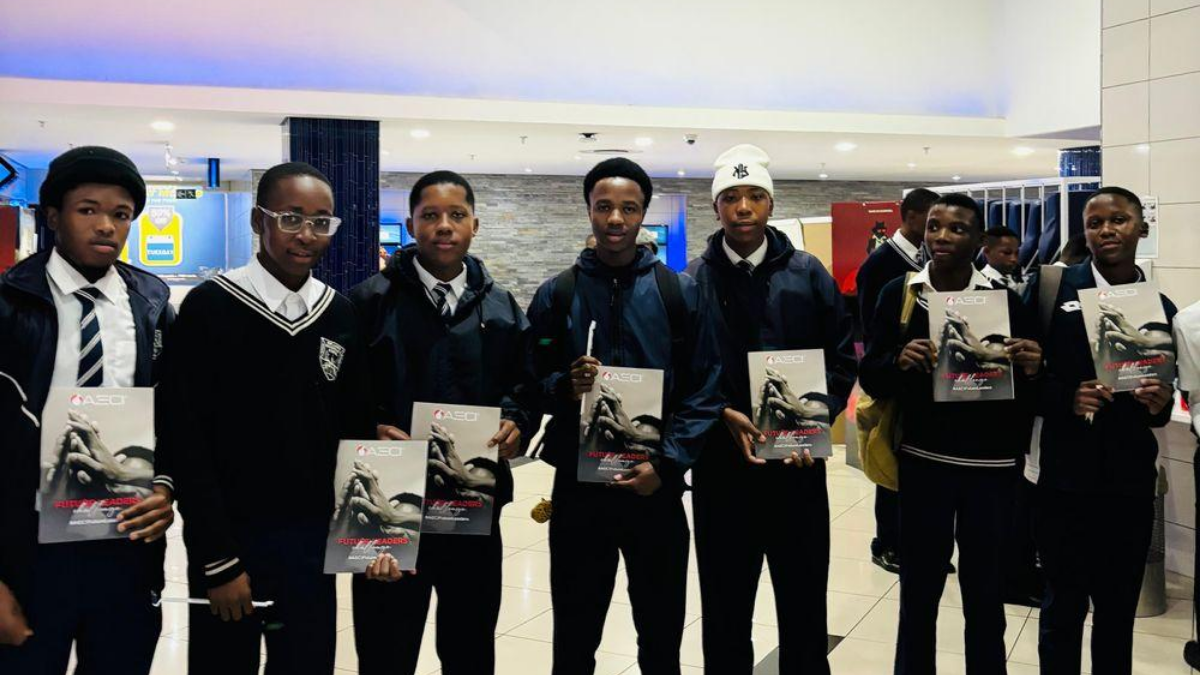
Three learners from Mahlasedi High School in Gauteng have emerged as the winners of the 2026 AECI Future Leaders Challenge after developing a community project aimed at helping children who need school shoes. The winning team, known as Gen Drive, consists of Denzel Tshabalala, Tumelo Dube and Sandile Phakati. Their achievement was announced following the national awards ceremony in Johannesburg on Friday, 30 October 2026.
The competition attracted more than 500 team entries from schools across South Africa. The Mahlasedi High School learners were selected among ten finalist teams before taking the top position with their project addressing a basic but important challenge facing children from disadvantaged communities. Their victory highlights how young South Africans can use leadership, teamwork and practical problem-solving to respond to difficulties experienced in their own communities.
Mahlasedi High School learners take first place
Team Gen Drive’s project focuses on supplying school shoes to children who need them. School shoes are an essential part of a learner’s daily school experience, but not every household can afford to replace them when they become worn out or when children outgrow them.
For families experiencing financial pressure, the cost of uniforms, stationery, transport and other school necessities can become difficult to manage. The learners identified this need and developed a project intended to make a practical difference. Their victory placed Mahlasedi High School among the schools recognised through this year’s challenge.
The achievement is also significant because the learners were competing against hundreds of other teams that had identified different problems and proposed solutions. Rather than simply discussing challenges affecting their communities, the participants were expected to develop projects that demonstrated how they could take responsibility and contribute towards change.
More than 500 teams entered the competition
The 2026 AECI Future Leaders Challenge attracted more than 500 team entries. From those entries, ten finalist teams were selected to participate in the final stage. The finalists represented nine schools across five provinces. Before the awards ceremony, the selected teams attended a bootcamp in Johannesburg on 28 and 29 October.
The programme gave learners an opportunity to develop their ideas, strengthen their understanding of leadership and prepare to present their projects. The final awards ceremony took place on 30 October in Johannesburg, where the winning team and runners-up were recognised.
The competition was designed to encourage learners to identify real challenges and consider how they could contribute to solutions. Its approach places emphasis on practical leadership rather than treating leadership as something that only belongs to people in positions of authority.
Gauteng and Limpopo schools also recognised
Although Mahlasedi High School claimed the overall victory, other schools also received recognition for their community-focused projects. Local Hearts from Siyabonga Secondary School in Gauteng finished as one of the runners-up. The team’s project focused on supporting learners through access to school uniforms, stationery and homework assistance.
Its idea addressed some of the everyday barriers that can affect children’s ability to participate fully in education. Another recognised team was Water for All Thabazimbi from Mabogopedi Secondary School in Limpopo. The project involved learner-led water patrols designed to identify and report water leaks.
Water shortages and infrastructure problems can affect communities, schools and households. By encouraging learners to identify and report leaks, the project aimed to involve young people in protecting an important community resource. The three projects demonstrated different approaches to community development.
One focused on school shoes, another on educational support and the third on water monitoring. Despite their different objectives, they shared a common principle: learners can identify problems and take meaningful steps towards addressing them.
What is the AECI Future Leaders Challenge?
The AECI Future Leaders Challenge forms part of AECI’s Centenary Legacy programme. It is delivered in partnership with Primestars and is intended to encourage ethical leadership among high school learners, particularly those from under-resourced communities.
The programme introduces learners to the idea of servant leadership. Servant leadership focuses on putting the needs of others first, taking responsibility and using leadership to create positive outcomes for people and communities.
Through the initiative, learners are encouraged to look beyond their personal circumstances and consider challenges affecting the people around them. The programme combines educational film experiences, learning materials, digital resources and practical community projects.
Instead of limiting participation to classroom discussions, it gives learners an opportunity to apply what they learn to real situations. The 2026 challenge carried the theme ‘Catalyst for Change’, encouraging young people to recognise opportunities to make a difference.
According to AECI’s Head of Social Impact, Nicole Solomon, the programme aims to develop ethical leaders who can identify community needs and take responsibility for addressing them.
Opportunities beyond the competition
The value of the challenge extends beyond the announcement of the winning team. The programme is designed to help learners develop skills that can support their education and future careers. These include teamwork, communication, critical thinking, planning and the ability to present ideas confidently.
Developing a community project also requires participants to consider practical questions. They must understand the problem they want to address, identify the people who could benefit, consider available resources and think about how their project could continue. These experiences can help learners become more confident when approaching challenges at school, university or in the workplace.
The organisers have also highlighted support beyond the awards, including mentorship, technology and bursary opportunities intended to help learners continue developing their potential. Such opportunities are important in a country where many young people face financial and educational barriers.
However, the long-term value of the winning projects will depend on whether the ideas can continue operating and reach the people they were designed to assist.
Why the winning project matters for South African schools
The Gen Drive victory brings attention to a challenge that many families understand: the cost of sending children to school. Although school shoes may appear to be a basic requirement, purchasing them can place additional pressure on households already struggling with living expenses.
When learners lack suitable school clothing and footwear, it can also affect their confidence and their experience of the school environment. Projects that respond to these needs demonstrate how community participation can complement the work of schools, families and organisations.
The other finalist projects also show that learners can contribute ideas on issues such as educational support and water conservation.
These examples are particularly important because young people often understand the problems affecting their communities through their everyday experiences. Giving them opportunities to develop solutions can help build a stronger culture of responsibility and participation.
A reminder that young people can lead change
The success of Team Gen Drive is an encouraging achievement for Mahlasedi High School and the Gauteng education community. Denzel Tshabalala, Tumelo Dube and Sandile Phakati demonstrated that learners can compete nationally by focusing on practical problems and developing ideas intended to help others.
Their achievement also gives recognition to the other finalists who participated in the challenge and presented solutions to issues affecting their communities. For South African schools, the competition offers an example of how education can extend beyond textbooks and examinations.
When learners are encouraged to think critically, work together and take responsibility, they can become active contributors to their communities. The school shoe project has placed Mahlasedi High School in the national spotlight, while reminding the country that meaningful leadership can begin with identifying a problem close to home and deciding to do something about it.