
Heatwave Warning: What to Expect and How to Protect Yourself
A heatwave can bring extremely high temperatures that affect everyday life, health, businesses, and the environment. As temperatures rise, people may experience discomfort, dehydration, and heat-related illnesses, especially when hot conditions continue for several days.
For communities across South Africa, preparing for extreme heat is important. High temperatures can affect people of all ages, but young children, older people, outdoor workers, and individuals with certain health conditions may face greater risks.
Understanding how heatwaves develop, recognising the warning signs, and taking simple precautions can help protect your family and reduce the dangers associated with extreme weather.
What Is a Heatwave?
A heatwave is a period of unusually hot weather that lasts for several consecutive days. The temperatures considered extreme depend on the region, climate, and normal seasonal conditions.
Heatwaves can develop when high-pressure weather systems trap hot air over an area. These systems may prevent cooler air from moving in, allowing temperatures to remain elevated during the day and sometimes at night.
In urban areas, buildings, roads, and concrete surfaces can absorb and retain heat, making cities particularly uncomfortable during prolonged hot weather.
Why Is a Heatwave a Serious Concern?
Extreme heat is more than just uncomfortable. It can create serious health and environmental problems.
One of the biggest concerns is dehydration. When people sweat excessively, their bodies lose water and essential salts. Without enough fluids, the body may struggle to regulate its temperature.
Heat exhaustion is another possible danger. Symptoms include heavy sweating, dizziness, headaches, weakness, nausea, and muscle cramps.
The most serious heat-related condition is heatstroke. It occurs when the body’s temperature regulation system fails and requires immediate emergency medical attention.
A heatwave can also increase electricity demand as households and businesses use fans and air conditioners to stay cool.
How to Stay Safe During a Heatwave
Taking preventive measures can reduce the risk of heat-related illnesses.
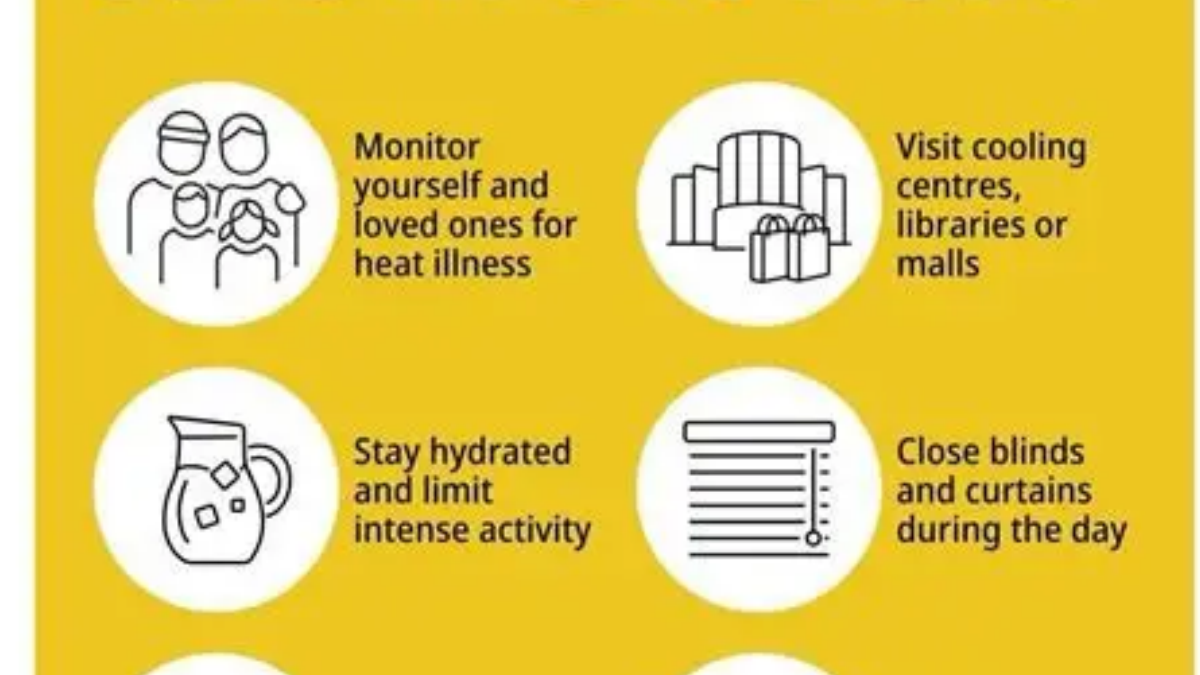
- Drink plenty of water: Drink water regularly throughout the day, even when you are not thirsty.
- Avoid direct sunlight: Stay in shaded or cool areas, particularly during the hottest hours.
- Wear light clothing: Choose loose-fitting, breathable, and light-coloured clothes.
- Use sunscreen: Protect exposed skin with broad-spectrum sunscreen and reapply according to the product instructions.
- Limit outdoor activities: Avoid strenuous exercise during the hottest part of the day.
- Keep your home cool: Close curtains or blinds during the hottest hours and improve ventilation when outdoor air is cooler.
- Check on vulnerable people: Make sure elderly relatives, children, neighbours, and people living alone are safe.
The Impact of Extreme Heat on Children and Older People
Children and older adults are particularly vulnerable during heatwaves.
Young children may not recognise the early signs of dehydration or overheating. Parents and caregivers should ensure that children drink enough water, wear suitable clothing, and avoid spending too much time playing in direct sunlight.
Older adults may also have difficulty regulating body temperature. Some medications and existing health conditions can increase their vulnerability to extreme heat.
Families should check on elderly relatives regularly and ensure they have access to drinking water and a cool place to rest.
How Heatwaves Affect Businesses and the Economy
Extreme temperatures can affect productivity, transportation, agriculture, and business operations.
Outdoor workers, including construction workers, security personnel, farmers, and delivery drivers, may face additional health risks when working under direct sunlight.
Agriculture can also suffer during prolonged hot weather. High temperatures and limited rainfall can damage crops, reduce soil moisture, and place additional pressure on livestock.
Furthermore, increased electricity consumption can put pressure on power systems, particularly when demand for cooling rises significantly.
What to Do If Someone Experiences Heatstroke
Heatstroke is a medical emergency. Warning signs can include confusion, collapse, seizures, and very high body temperature.
If you suspect someone has heatstroke:
- Call emergency medical services immediately.
- Move the person to a cool or shaded location.
- Remove unnecessary outer clothing.
- Begin cooling the person using cool water, wet cloths, or other available cooling methods.
- Stay with the person until medical assistance arrives.
Do not delay seeking emergency help.
Conclusion
A coming heatwave is a reminder of how important it is to prepare for extreme weather conditions. High temperatures can affect health, daily activities, businesses, and the environment.
By drinking enough water, avoiding prolonged exposure to direct sunlight, wearing appropriate clothing, and checking on vulnerable family members, people can reduce the risks associated with extreme heat.
Stay informed through official weather updates and follow local safety advice. Preparing early can make a significant difference when temperatures begin to rise.