
Introduction
Knowing how to change a tire is an important skill every driver should have. A flat tire can happen unexpectedly, whether you are driving to work, travelling long distances, or running errands. Instead of waiting for roadside assistance, understanding how to replace a damaged tire can help you get back on the road safely and quickly.
Changing a tire may seem difficult at first, but with the right tools and proper instructions, it is a straightforward process. In this guide, we will explain how to change a tire step by step, including the equipment you need and important safety precautions.
1. Find a Safe Place to Stop
The first and most important step is finding a safe location to change your tire. If you notice that your tire is losing air, avoid suddenly braking or turning sharply.
Slow down gradually and move your vehicle to a flat, stable area away from traffic. A parking lot, driveway, or wide roadside shoulder may be suitable.
Switch on your hazard lights to alert other drivers. Apply the parking brake and put an automatic vehicle in Park or a manual vehicle in first gear or reverse. If you have wheel wedges, place them against the wheels to prevent the vehicle from moving.
Never attempt to change a tire on soft ground, steep slopes, or in a dangerous position near moving traffic.
2. Gather the Necessary Tools
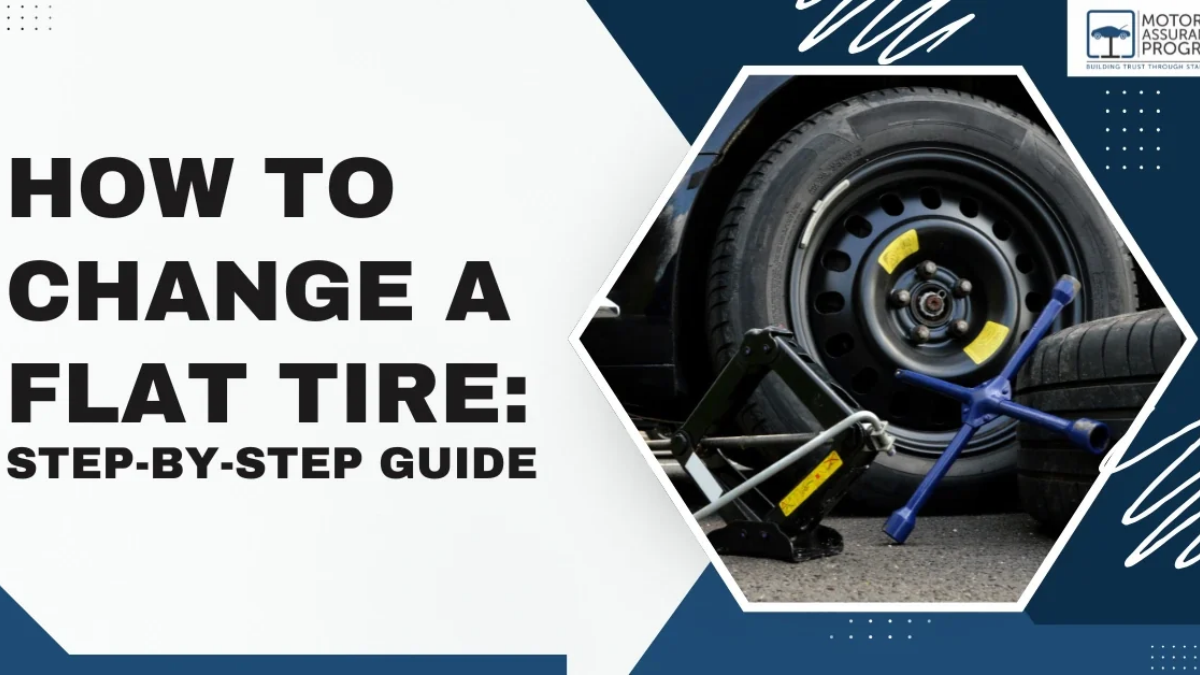
Before starting, make sure you have all the equipment required to change your tire. Most vehicles come with basic tire-changing tools.
These include:
- A spare tire that is properly inflated.
- A car jack.
- A lug wrench or wheel spanner.
- Wheel wedges or blocks.
- Your vehicle owner’s manual.
- A reflective warning triangle.
Having these tools ready will make the process easier and safer. Check your spare tire regularly to ensure it is in good condition and has enough air pressure.
3. Loosen the Wheel Nuts
Once your vehicle is safely parked, remove the wheel cover if necessary to access the wheel nuts.
Use the lug wrench to loosen the nuts by turning them anticlockwise. Loosen each nut slightly while the tire is still touching the ground.
Do not remove the nuts completely at this stage. They should only be loosened enough to make removal easier once the vehicle has been raised.
4. Raise the Vehicle Using a Jack
Consult your owner’s manual to identify the correct jacking point for your vehicle. Position the jack securely underneath the recommended lifting point.
Slowly raise the vehicle until the flat tire is completely off the ground. Make sure the jack remains stable throughout the process.
Never place any part of your body underneath a vehicle supported only by a jack. If the ground is unstable or you cannot position the jack safely, contact roadside assistance.
5. Remove the Flat Tire
After lifting the vehicle, carefully remove the loosened wheel nuts. Keep them somewhere safe so they do not get lost.
Hold the flat tire firmly with both hands and pull it straight towards you until it comes off the wheel hub.
Place the damaged tire flat on the ground, away from traffic and your working area.
6. Install the Spare Tire
Take your spare tire and align its holes with the wheel studs on the vehicle.
Carefully push the spare tire onto the wheel hub. Once it is properly positioned, reinstall the wheel nuts by hand.
Tighten the nuts slightly in a star-shaped or crisscross pattern. This helps the wheel sit evenly against the hub.
7. Lower the Vehicle and Tighten the Nuts
Slowly lower the vehicle using the jack until the spare tire touches the ground and the wheel is stable.
Remove the jack and use the lug wrench to tighten the wheel nuts securely in a crisscross pattern. Follow the manufacturer’s recommended torque specification, ideally using a torque wrench.
Do not overtighten the nuts, as this can damage the wheel studs or other components.
8. Check the Spare Tire Before Driving
Before driving away, check that all wheel nuts are properly tightened and that the spare tire is correctly installed.
If you are using a temporary spare tire, remember that it may have speed and distance limitations. Follow the instructions printed on the tire and in your owner’s manual.
Visit a professional tire shop as soon as possible to repair or replace your damaged tire.
Conclusion
Learning how to change a tire is a valuable skill that can help drivers handle unexpected roadside emergencies. By following the correct steps, using the right equipment, and prioritising safety, you can replace a flat tire with confidence.
Always inspect your tires regularly, maintain proper tire pressure, and keep a spare tire and emergency tools in your vehicle. Being prepared can make a significant difference when unexpected tire problems occur.