
How Cashless Payments Are Transforming Shopping in South Africa
Digital payments are changing the way South Africans shop, making it easier for consumers to purchase goods, pay for services and manage everyday transactions. From tapping a bank card at a supermarket checkout to using a smartphone to pay for groceries online, digital payment methods are becoming an increasingly important part of the country’s retail industry.
As technology continues to develop, shoppers have more ways to pay for their purchases without relying entirely on cash. Digital wallets, banking applications, contactless cards and instant electronic payments are giving consumers greater flexibility when shopping in physical stores and online.
According to the 2026 Online Retail in South Africa report, online retail sales are expected to reach approximately R159 billion in 2026, demonstrating the growing importance of digital commerce in the country.
The growing popularity of digital payments
Traditional cash payments remain important in South Africa, but digital alternatives are changing consumer expectations.
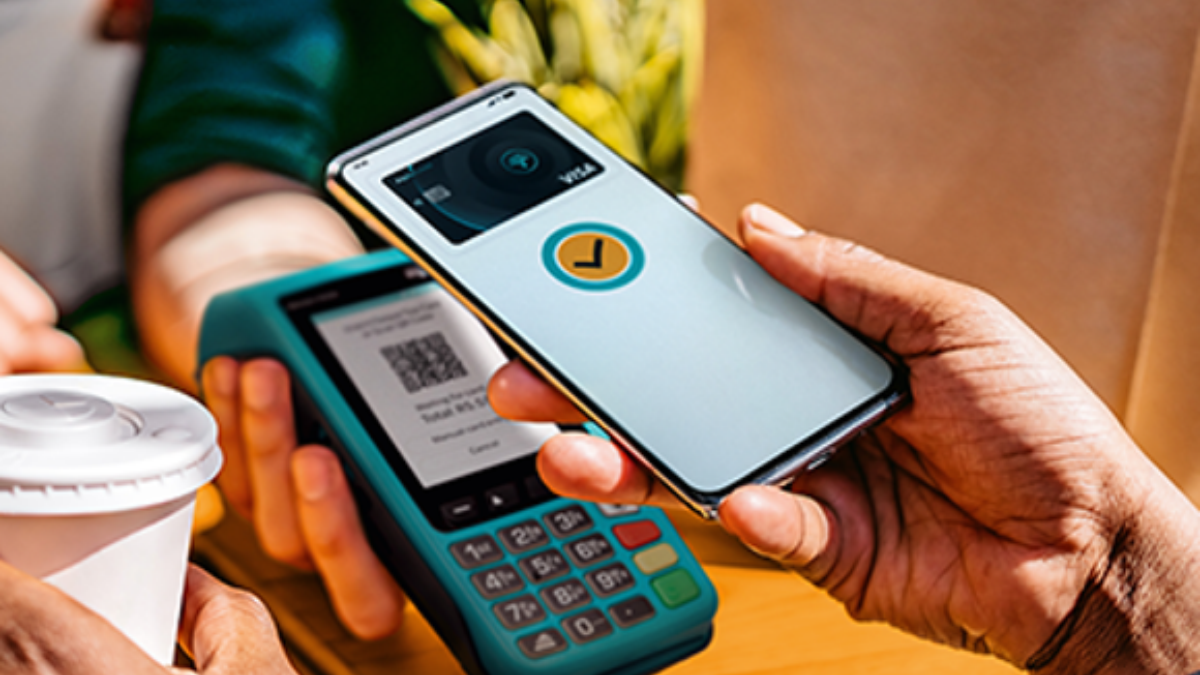
Many shoppers now prefer payment methods that allow them to complete transactions quickly without carrying large amounts of cash. Contactless bank cards and digital wallets allow customers to pay at supported payment terminals by tapping their cards, smartphones or compatible devices.
Digital wallets, including Apple Pay, Google Pay and Samsung Pay, are also gaining attention among South African consumers.
Research published by payments company Stitch in June 2026 found that 57.5% of surveyed digitally active consumers had tried a digital wallet for the first time during the preceding year. The findings illustrate how quickly payment preferences are evolving among consumers who shop online.
These developments are encouraging retailers to offer more payment options to accommodate different customer preferences.
Online shopping is becoming more convenient
Digital payments have helped make online shopping more accessible and convenient for consumers.
South Africans can purchase clothing, electronics, groceries and household products through websites and mobile applications without visiting physical stores. Customers can complete payments electronically and arrange delivery or collection, depending on the retailer’s services.
Secure payment gateways also allow online businesses to accept payments from customers who may live far away from their physical premises.
For shoppers, this means greater convenience and more opportunities to compare prices before making purchasing decisions. Consumers can browse several retailers, examine product information and complete transactions from their homes.
For businesses, offering convenient payment methods can reduce unnecessary obstacles during checkout and help encourage customers to complete their purchases.
However, successful online shopping also depends on reliable deliveries, affordable data access and trustworthy customer service.
Small businesses are benefiting from digital payments
Digital payment technology is creating opportunities for small businesses, independent retailers and entrepreneurs across South Africa.
Previously, some smaller businesses relied heavily on cash transactions because traditional card payment equipment could be expensive or inconvenient to obtain.
Today, businesses can explore different payment solutions, including mobile card machines, payment links, electronic bank transfers and online payment platforms.
These options allow entrepreneurs to accept payments from customers through various channels. A small clothing business, for example, can sell products through social media and receive electronic payments without operating a conventional retail shop.
Digital transactions can also make record-keeping easier by creating electronic records of payments received. These records may help business owners monitor sales, reconcile transactions and understand their cash flow.
Nevertheless, payment processing fees, equipment costs and the need for reliable connectivity remain important considerations for businesses choosing a digital payment provider.
The role of mobile banking and instant payments
Mobile banking applications have made it easier for South Africans to manage money and make payments using their smartphones.
Customers can transfer money between accounts, pay certain bills and complete supported transactions without visiting a bank branch.
Services such as PayShap have also expanded the options available for sending money electronically. Depending on the participating bank and transaction type, users can make payments using supported recipient details, including a cellphone number registered for the service.
These developments are particularly useful when customers need to transfer money quickly or pay businesses that accept electronic transfers.
However, shoppers should always confirm the recipient’s details before authorising a payment. An electronic transfer may be difficult to reverse if money is sent to the wrong person.
Security concerns remain a major challenge
Despite their convenience, digital payments introduce security risks that consumers must understand.
Fraudsters may use fake online stores, phishing messages, fraudulent payment notifications and impersonation scams to trick shoppers into revealing confidential information or sending money.
Consumers should avoid sharing banking passwords, personal identification numbers and one-time passwords with anyone. They should also verify unfamiliar retailers before purchasing products online.
When shopping through social media, customers should be cautious of sellers offering unusually low prices or demanding immediate payment through suspicious channels.
Businesses also have a responsibility to use reputable payment providers, protect customer information and communicate clearly about legitimate payment procedures.
Building consumer confidence will remain essential as more South Africans adopt digital shopping and payment services.
Cash still matters in South Africa
Although digital payments are expanding, South Africa is not becoming completely cashless.
Cash remains useful for consumers who have limited access to banking services, reliable internet connections or suitable digital devices. It is also important in informal trading environments where electronic payment facilities may not always be available.
The South African Reserve Bank recognises that cash and digital payments can complement each other. Its Cash Smart Strategy aims to ensure that cash remains accessible and affordable while the country’s payment system continues to develop.
Retailers therefore need to consider the needs of customers who prefer different ways of paying.
Offering several payment options can help businesses serve a wider range of consumers rather than excluding people who cannot easily access digital services.
What the future holds for digital payments
Digital payments are likely to remain an important part of South Africa’s changing retail environment.
As consumers become more familiar with mobile wallets, electronic transfers and online shopping, businesses will need to keep improving the speed, reliability and security of their payment systems.
Retailers that provide convenient checkout experiences and clear security information may be better positioned to build customer trust and encourage repeat purchases.
At the same time, financial institutions, technology providers and businesses will need to address fraud, transaction costs and barriers affecting consumers with limited digital access.
Conclusion
Digital payments are transforming how South Africans shop by making transactions more convenient and creating new opportunities for consumers and businesses.
From contactless payments in supermarkets to electronic transactions on online shopping platforms, these technologies are changing everyday purchasing habits.
However, cash continues to play an important role, and digital payment adoption must be supported by reliable infrastructure, affordable services and strong security measures.
Ultimately, the future of shopping in South Africa will depend on providing consumers with safe, convenient and accessible ways to pay, whether they choose cash, a bank card, a digital wallet or an electronic transfer.