
Bronkhorstspruit has been highlighted among the areas facing significant environmental and socio-economic challenges in Gauteng, raising concerns about how well communities on the province’s outskirts can cope with climate-related shocks and infrastructure problems.
A new University of Johannesburg study examining climate and environmental vulnerability across Gauteng has drawn attention to the growing divide between established urban areas and communities on the province’s outer margins.
The research highlights an important reality: environmental vulnerability is not determined by weather conditions alone. Factors such as household income, infrastructure, access to essential services and the ability to recover after disasters can determine how severely communities are affected.
For residents of areas such as Bronkhorstspruit, these findings raise questions about preparedness, infrastructure investment and long-term planning.
What the University of Johannesburg study found
The study, titled Uneven Resilience: Constructing a Climate Environmental Vulnerability Index for South Africa’s Urban Core, was conducted by researchers Johann Frederich Kirsten, Marinda Pretorius and Chané de Bruyn.
Published in the academic journal Cities in November 2026, the research developed a Climate Environmental Vulnerability Index (CEVI) to assess differences in environmental vulnerability across Gauteng municipalities between 2010 and 2024.
Researchers used 17 indicators covering three important areas: exposure to environmental risks, sensitivity to those risks and the ability of communities to adapt.
The findings revealed considerable differences between municipalities and geographically close communities.
One of the study’s most important conclusions was that vulnerability is strongly influenced by adaptive capacity. In other words, communities with better resources and stronger socio-economic conditions are often better positioned to withstand and recover from environmental shocks.
Why Bronkhorstspruit is attracting attention
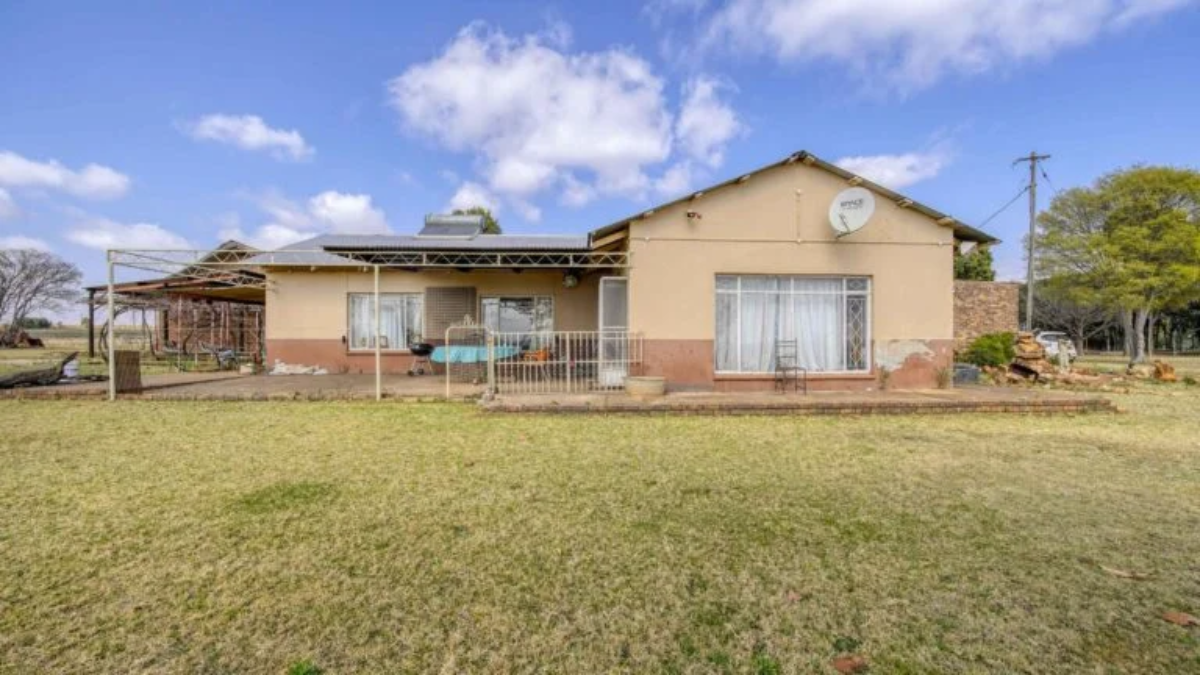
Bronkhorstspruit lies on the eastern outskirts of Tshwane, where communities include established residential areas, rural settlements and agricultural surroundings.
Areas on Gauteng’s outer margins can face particular challenges when essential infrastructure and public services are inadequate.
Extreme heat, flooding, water supply interruptions and environmental degradation can have serious consequences for households that lack financial resources or reliable access to emergency support.
A separate analysis by the Gauteng City-Region Observatory (GCRO) also identified eastern Tshwane areas around Bronkhorstspruit as part of a wider geographical pattern of persistent local-government challenges.
The GCRO’s research found that several peripheral areas continued to experience significant difficulties linked to infrastructure, economic conditions and service delivery.
These findings reinforce the importance of understanding vulnerability beyond the boundaries of major metropolitan centres.
Climate risks are already affecting Gauteng households
Environmental challenges are not only future concerns. Research published by the GCRO in June 2026 examined household experiences of environmental damage across Gauteng.
Using data from its Quality of Life 7 survey, covering 2023 and 2024, the observatory found that 55% of respondents had experienced harm or damage from at least one environmental event or disaster during the preceding year.
Heatwaves were the most frequently reported problem, affecting 27% of respondents. Water and sewage pipe bursts accounted for 19%, followed by air pollution at 16% and flooding at 14%.
The findings show that environmental risks include both natural events and problems associated with infrastructure failures and human activities.
For lower-income households, the consequences can be particularly severe because they may have limited savings, insurance or alternative accommodation when disasters occur.
Why wealth and infrastructure matter
The University of Johannesburg researchers found that differences in adaptive capacity play a major role in determining how vulnerable communities become.
A household with reliable water, adequate housing, insurance and access to emergency services may recover more quickly after a disaster than a household without these resources.
This means two communities exposed to similar weather conditions can experience very different consequences.
The research therefore calls for more targeted approaches to climate adaptation rather than applying identical solutions across the province.
What should happen next?
The findings place pressure on planners and local authorities to consider the specific needs of communities outside Gauteng’s main economic centres.
Improving infrastructure, strengthening emergency response systems, protecting water resources and supporting vulnerable households will be important steps towards building resilience.
For Bronkhorstspruit residents, the wider message is that climate preparedness must include reliable public services and the resources needed to recover when environmental problems occur.
As climate pressures increase, the ability of communities to adapt could become just as important as reducing their exposure to environmental hazards.
Climate vulnerability findings attract attention
The University of Johannesburg study highlights uneven environmental vulnerability across Gauteng and the importance of improving communities’ ability to withstand and recover from environmental shocks.
University of Johannesburg study published
Researchers publish Uneven Resilience: Constructing a Climate Environmental Vulnerability Index for South Africa’s Urban Core in the journal Cities. The research examines 17 indicators across exposure, sensitivity and adaptive capacity.
GCRO publishes environmental disaster findings
The Gauteng City-Region Observatory reports that 55% of surveyed households experienced harm or damage from at least one environmental event or disaster during the preceding year.
2023–2024 – Household experiences documented
The GCRO’s Quality of Life 7 survey records the effects of heatwaves, water and sewage pipe bursts, air pollution and flooding on Gauteng households.