
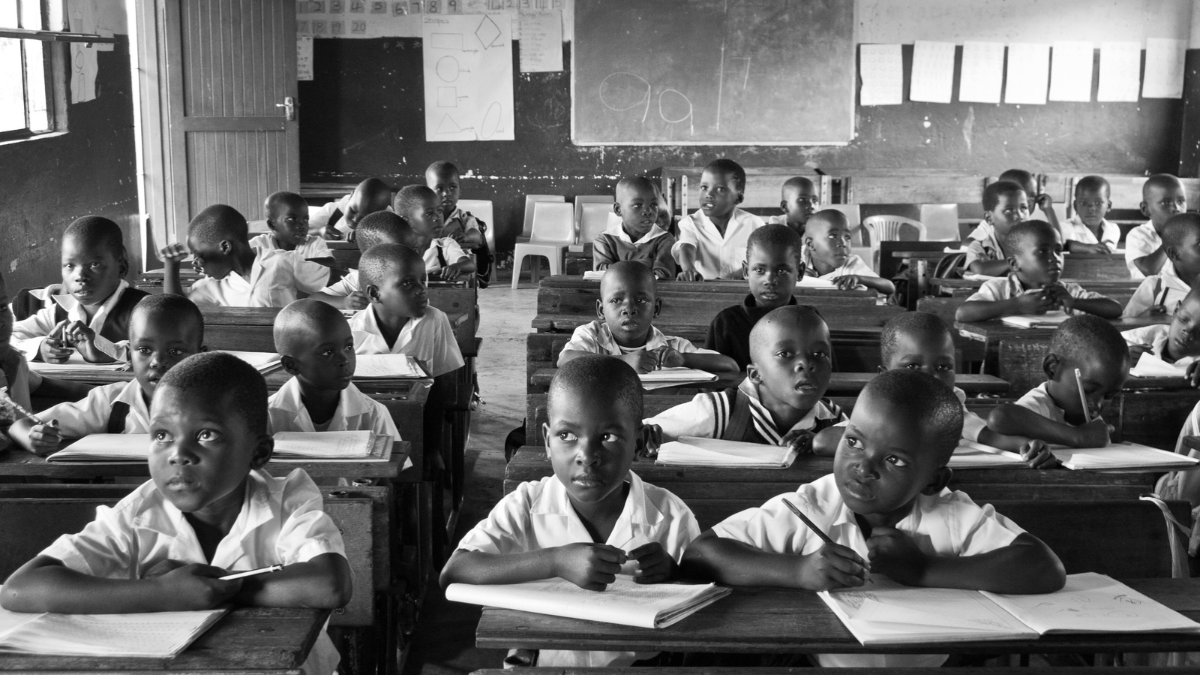
The State of Education in South Africa: Building a Better Future
Education is one of the most important foundations for South Africa’s development. Since the end of apartheid, the country has made significant efforts to improve access to education and create equal opportunities for children from different backgrounds. However, despite considerable progress, the education system continues to face challenges that affect the quality of learning in many communities.
Today, education remains a key priority for South Africa as the country works towards reducing poverty, unemployment and inequality. Providing quality education to every learner is essential for building a stronger economy and creating better opportunities for future generations.
The Importance of Education in South Africa
Education plays a major role in improving people’s lives and strengthening communities. It gives young South Africans the knowledge and skills needed to find employment, start businesses and contribute to economic growth.
A strong education system can also help reduce poverty and social inequality. When children receive quality education, they have a better chance of accessing higher education, developing professional skills and building successful careers.
South Africa needs skilled professionals in areas such as healthcare, engineering, education, science, agriculture and technology. Schools, colleges and universities have an important responsibility to prepare young people for these opportunities.
Challenges Facing South African Schools
Despite improvements in school enrolment and access, many South African schools still experience serious difficulties.
One major challenge is the difference between well-resourced schools and under-resourced schools. While some institutions have modern classrooms, libraries, laboratories and computer facilities, others struggle with overcrowded classrooms, limited textbooks and inadequate infrastructure.
Schools in rural communities and disadvantaged areas are often particularly affected.
Another concern is the quality of basic literacy and numeracy. Learners need strong reading, writing and mathematics skills to succeed in higher grades and prepare for the workplace.
Teacher shortages, infrastructure problems and limited educational resources also contribute to learning difficulties.
Addressing these challenges requires long-term investment, effective planning and cooperation between government, schools, parents and communities.
The Role of Government in Improving Education
The South African government, through the Department of Basic Education, continues to introduce programmes aimed at improving educational standards.
These efforts include expanding access to early childhood development, supporting school nutrition programmes, improving school infrastructure and strengthening teacher development.
The National School Nutrition Programme is particularly important because it provides meals to qualifying learners, helping children receive nutritional support during the school day.
Government investment in education must also focus on improving classroom conditions, providing learning materials and ensuring that teachers receive appropriate training.
Better monitoring Education in South Africa and accountability can help ensure that educational resources reach the schools and learners who need them most.
Technology and the Future of Education
Technology is creating new opportunities for education in South Africa.
Digital learning platforms, online courses and educational applications can help students access information beyond traditional classrooms.
Computers, tablets and reliable internet connections can also introduce learners to important digital skills needed in the modern workplace.
However, the digital divide remains a major concern. Many learners, particularly in rural communities, have limited access to internet connectivity and electronic devices.
Expanding Education in South Africa affordable internet access and investing in digital infrastructure will be essential for ensuring that all learners benefit from technological developments.
Higher Education and Skills Development
South Africa has several universities, technical and vocational education and training colleges (TVET colleges), and other institutions offering opportunities for further study.
Universities provide academic and professional qualifications, while TVET colleges focus on practical and occupational skills that can prepare students for employment.
Education in South Africa These institutions are important in addressing skills shortages and supporting economic development.
Young people should also be encouraged to consider vocational training, entrepreneurship and technical careers rather than viewing university education as the only path to success.
Conclusion: A Brighter Future Through Education
Education remains one of South Africa’s greatest opportunities for creating positive social and economic change.
Education in South Africa Although challenges such as inequality, unemployment, poor infrastructure and unequal access to resources remain, continued investment and cooperation can help improve the education system.
Every South African child deserves access to quality education, regardless of their background or location.
Education in South Africa By strengthening schools, supporting teachers, embracing technology and expanding skills development, South Africa can build a stronger education system and create a brighter future for the next generation.