
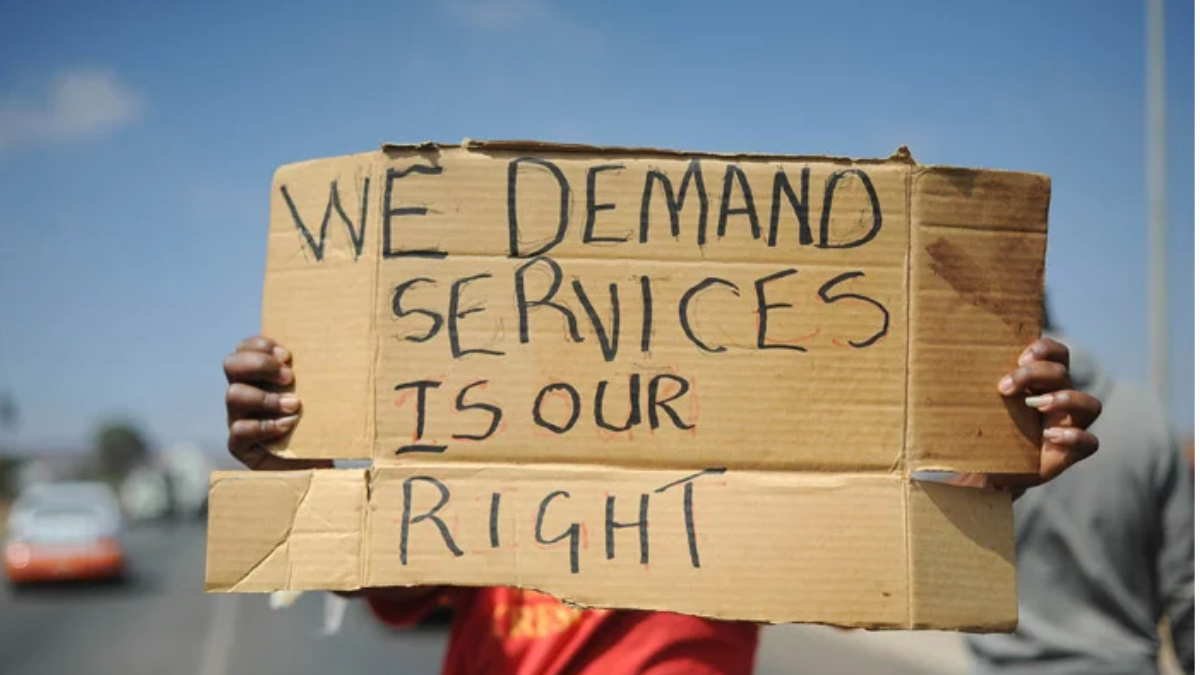
Political Parties Face Pressure to Address Service Delivery Problems
Political parties across South Africa are facing growing pressure to address long-standing service delivery problems as communities demand better municipal leadership, reliable basic services and accountability from elected representatives.
The 2026 local government elections have once again placed the performance of municipalities under the spotlight. Residents want more than campaign promises. They expect visible improvements in their daily lives, including reliable water supplies, working electricity infrastructure, properly maintained roads and consistent refuse collection.
For many communities, these challenges have continued for years, contributing to frustration with local government and weakening public confidence in political leadership.
Service Delivery Remains a Major Concern
Water shortages, sewage spills, electricity interruptions, damaged roads and uncollected rubbish remain among the problems affecting communities in different parts of the country.
In some areas, residents have resorted to protests to demand urgent intervention from municipal authorities. These demonstrations reflect growing frustration among people who believe their concerns are not receiving sufficient attention.
The pressure is particularly significant because municipalities are responsible for providing many of the services that directly affect households and businesses.
According to Amnesty International South Africa, poor governance, corruption, mismanagement and failing service delivery continue to affect access to essential services such as housing, water and sanitation. The organisation has called for stronger accountability from elected representatives.
Election Results Reflect Growing Voter Dissatisfaction
The 2026 local government elections have highlighted changes in South Africa’s political landscape, with voters increasingly judging parties on their performance rather than historical loyalty.
Early election results reported by the Associated Press showed the African National Congress facing a significant decline in support, while opposition parties made gains in several areas. The results also pointed to the possibility of further coalition negotiations in municipalities where no party secured an outright majority.
These developments could create new political arrangements in major cities and towns. However, forming coalitions will not automatically solve municipal problems.
Political parties will need to work together, agree on governing priorities and ensure that disagreements do not prevent essential services from reaching residents.
Water and Infrastructure Problems Under Scrutiny
Water supply disruptions have become one of the most visible service delivery concerns in several communities.
In Johannesburg, ageing infrastructure, water shortages and concerns about municipal management have featured prominently in public discussions.
A report published by Business Day on 4 November 2026 highlighted how water challenges and deteriorating infrastructure had become central issues during the municipal election contest.
Other municipalities also face pressure to improve electricity distribution, maintain roads, repair sewer systems and strengthen waste management.
Residents are increasingly demanding clear explanations about why infrastructure projects are delayed and how municipal budgets are being used.
Coalition Governments Face an Important Test
The possibility of more coalition-led municipalities presents both opportunities and challenges for South Africa.
Coalition governments can bring different political parties together, potentially improving cooperation and representation. However, disagreements over leadership positions, budgets and policy priorities can create instability.
The South African Government’s SAnews recently highlighted concerns about coalition negotiations and their possible effects on municipal administration. It also noted that municipal services depend heavily on professional officials who must continue performing their responsibilities while political parties negotiate.
For residents, the priority should remain effective governance rather than political competition.
Parties entering coalition agreements will need to establish clear responsibilities and measurable service delivery targets.
Residents Want Action, Not More Promises
South Africans are increasingly expecting elected leaders to demonstrate results.
Communities want regular communication from councillors, transparent municipal spending and faster responses to complaints. They also want infrastructure maintenance to become a priority instead of waiting until problems develop into major service disruptions.
Political parties will therefore face pressure to explain how they intend to address municipal challenges and how residents will measure progress.
Local government performance should not only be judged during election campaigns. Communities need consistent updates on projects, spending and service delivery improvements throughout the council’s term.
Final Thoughts
South Africa’s service delivery challenges remain a major test for political parties and municipal leaders.
The 2026 local government elections have reinforced the importance of accountability, effective administration and reliable basic services. Political parties that secure positions in municipal councils will now have to demonstrate that they can turn their promises into practical improvements.
For residents, the expectation is straightforward: better services, responsible spending and leaders who respond when communities need them.