
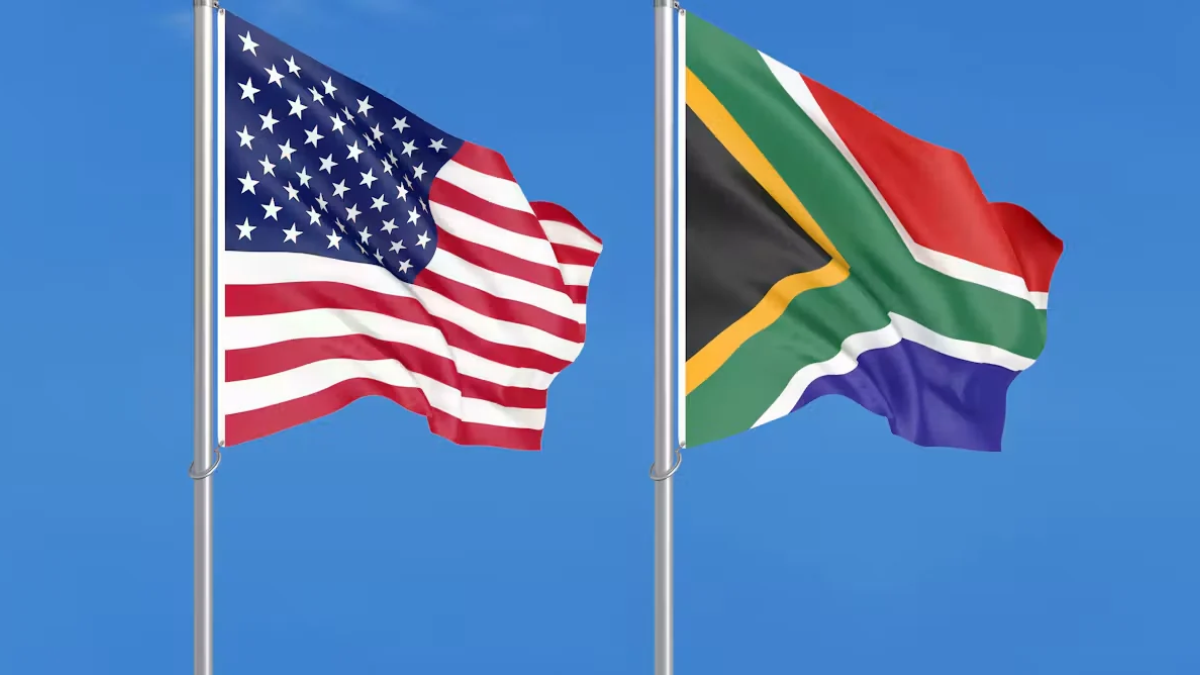
South Africa Faces Major Trade Challenge as US Plans AGOA Removal in January 2027
South Africa is facing a major trade challenge after the United States announced plans to remove the country from the African Growth and Opportunity Act (AGOA), potentially ending its preferential duty-free access to the American market from January 1, 2027.
The announcement, made by the Trump administration on November 2, 2026, marks another difficult moment in diplomatic and economic relations between Washington and Pretoria. The decision could affect several South African industries that depend on exporting products to the United States, raising concerns about businesses, investment and employment.
The US decision also includes Rwanda, with Washington arguing that both countries are engaging in practices that do not meet AGOA’s eligibility requirements.
Why Is the United States Removing South Africa from AGOA?
According to the Office of the United States Trade Representative, President Donald Trump intends to terminate South Africa’s participation in AGOA following an annual review of eligible African countries.
US Trade Representative Jamieson Greer said Washington had concerns about South Africa’s trade and investment barriers, corruption and issues affecting American national security and foreign policy interests.
The Trump administration believes South Africa is not meeting certain conditions required to benefit from the programme.
However, the South African government has consistently defended its policies and rejected several American criticisms, arguing that the country has the right to make independent decisions on domestic and international matters.
The announcement comes after months of diplomatic tension between the two governments, with disagreements involving trade, foreign policy and South Africa’s domestic policies.
What Is AGOA and Why Is It Important to South Africa?
The African Growth and Opportunity Act is a United States trade programme established in 2000 to strengthen economic relationships between America and eligible sub-Saharan African countries.
The programme allows qualifying African countries to export thousands of products to the US market without paying certain import duties.
South Africa has been one of the biggest beneficiaries of AGOA, using the programme to support exports in industries such as automotive manufacturing, agriculture, textiles and food production.
The trade arrangement has helped South African companies remain competitive in the American market while supporting local manufacturing and employment.
Losing access to these benefits could mean that some South African products become more expensive for American buyers because they may face additional import duties.
Which South African Industries Could Be Affected?
The possible removal of South Africa from AGOA could have consequences for businesses across several economic sectors.
The automotive industry is among the sectors facing uncertainty because South Africa exports vehicles and automotive components to the United States.
Agricultural exporters could also experience pressure, particularly businesses involved in exporting citrus products, wine and other agricultural goods.
The textile and manufacturing industries may face additional challenges as companies compete with international suppliers that still enjoy preferential trade arrangements.
According to Reuters, South Africa exported approximately $1.7 billion worth of goods to the United States under AGOA in 2025.
Although the programme represents only part of South Africa’s overall export market, losing its benefits could affect businesses that rely on competitive access to American consumers.
South African Government Responds to US Decision
South Africa has indicated that it remains committed to diplomatic engagement and finding solutions to trade disagreements with Washington.
Trade, Industry and Competition Minister Parks Tau previously stated that government was prepared for different outcomes and would continue working to protect South African businesses and workers.
The government has also highlighted opportunities to strengthen trade relationships with other international markets, including China, India, the European Union and countries across Africa.
South Africa has maintained that negotiations with the United States should respect its Constitution, national interests and international trade obligations.
What Happens on January 1, 2027?
The United States has announced its intention to terminate South Africa’s AGOA eligibility effective January 1, 2027.
This means South African exporters could lose preferential duty-free access under the programme from that date if the proposed termination takes effect.
However, the announcement does not mean that all trade between South Africa and the United States will stop. Businesses will still be able to export products, although applicable tariffs and other trade conditions could change.
Both countries still have an opportunity to pursue diplomatic discussions and explore ways to improve their trade relationship.
What Does This Mean for South Africa’s Economy?
The proposed AGOA removal presents a significant challenge for South Africa’s export-driven industries. Companies may need to reconsider their export strategies, explore alternative markets and prepare for potentially higher costs when accessing the American market.
The situation also highlights the importance of diversifying South Africa’s international trading partners rather than relying heavily on a limited number of markets.
As January 2027 approaches, businesses, investors and workers will be watching developments closely.
Ultimately, the future of South Africa’s AGOA participation will depend on diplomatic engagement, trade negotiations and whether Washington changes its decision. For now, the announcement represents a serious warning for South Africa’s economy and its relationship with one of its important international trading partners.
1 thought on “US Moves to Remove South Africa from AGOA Trade Programme Starting January 2027”
Comments are closed.