
People Fall Ill After Contaminated Water Crisis in Tshwane as Government Faces Pressure
More than 833 people have fallen ill following contaminated water supplied in Bronkhorstspruit as government investigates the Tshwane water crisis
South Africa’s water infrastructure crisis has come under renewed scrutiny after 833 people were reported to have developed gastrointestinal illnesses linked to contaminated water in Bronkhorstspruit and surrounding communities in the City of Tshwane. The growing number of cases has raised serious concerns about municipal water management, public health protection and the responsibility of authorities to warn residents when drinking water becomes unsafe.
The latest figure was announced by Water and Sanitation Minister Pemmy Majodina on 26 October 2026 during a government visit to the affected area. The number had increased from 408 cases reported during the previous week, highlighting the scale of the problem facing communities east of Pretoria.
Deputy President Paul Mashatile, accompanied by senior government representatives, also visited the area to assess the situation and review interventions aimed at restoring a safe and reliable water supply.
How the Bronkhorstspruit water crisis started
The crisis was linked to the Bronkhorstspruit Water Treatment Works, which supplied water to communities without adequate chlorination between 24 September and 14 October 2026.
According to the Department of Water and Sanitation, difficulties involving the municipality’s chlorine supplier contributed to the failure to properly disinfect the water before distribution.
The treatment plant continued operating during this period, despite the absence of adequate chlorine treatment. Water quality investigations subsequently identified extremely high levels of E. coli and other bacteria in samples collected from the treatment plant and nearby reservoirs.
The situation became particularly concerning because residents continued receiving water without being adequately warned about the potential health risks.
The City of Tshwane later acknowledged that the plant had experienced chlorine supply difficulties. The incident raised questions about why the shortage was not addressed sooner and why residents were not warned before potentially contaminated water reached their homes.
Illness cases rise from 408 to 833
The number of reported gastrointestinal illness cases increased significantly within a short period.
On 19 October, government confirmed that 408 cases had been reported between 7 and 18 October. By 26 October, Minister Majodina announced that the figure had climbed to 833.
According to the minister, children accounted for 328 of the reported cases, representing approximately 39% of the total.
Three patients were receiving hospital treatment when the updated figures were announced. Government reported that no critical cases or deaths had been recorded at that stage.
Officials explained that the increase could partly be connected to contaminated water that had already been distributed and stored by households before the treatment plant was closed.
The situation demonstrated how water contamination can continue affecting communities even after authorities begin responding to the original problem.
Which areas have been affected?
The water crisis has affected several communities supplied through the Bronkhorstspruit water system.
These include:
- Bronkhorstspruit
- Zithobeni
- Rethabiseng
- Ekandustria
- Ekangala
- Dark City
Some communities supplied through the cross-border water system to Thembisile Hani Local Municipality were also identified in government warnings.
Residents in these areas were advised to take the contamination seriously and follow official instructions while investigations and infrastructure interventions continued.
The National Institute for Communicable Diseases warned that gastrointestinal illnesses can cause diarrhoea, vomiting, stomach cramps, fever and dehydration.
Young children, particularly those under five, are among the groups at greater risk of serious complications.
Government shuts down the treatment plant
Following the discovery of serious water quality problems, the Bronkhorstspruit Water Treatment Works was shut down on 14 October to allow cleaning, disinfection and rehabilitation work.
The City of Tshwane and the national Department of Water and Sanitation began coordinating emergency interventions to reduce the risk of further exposure.
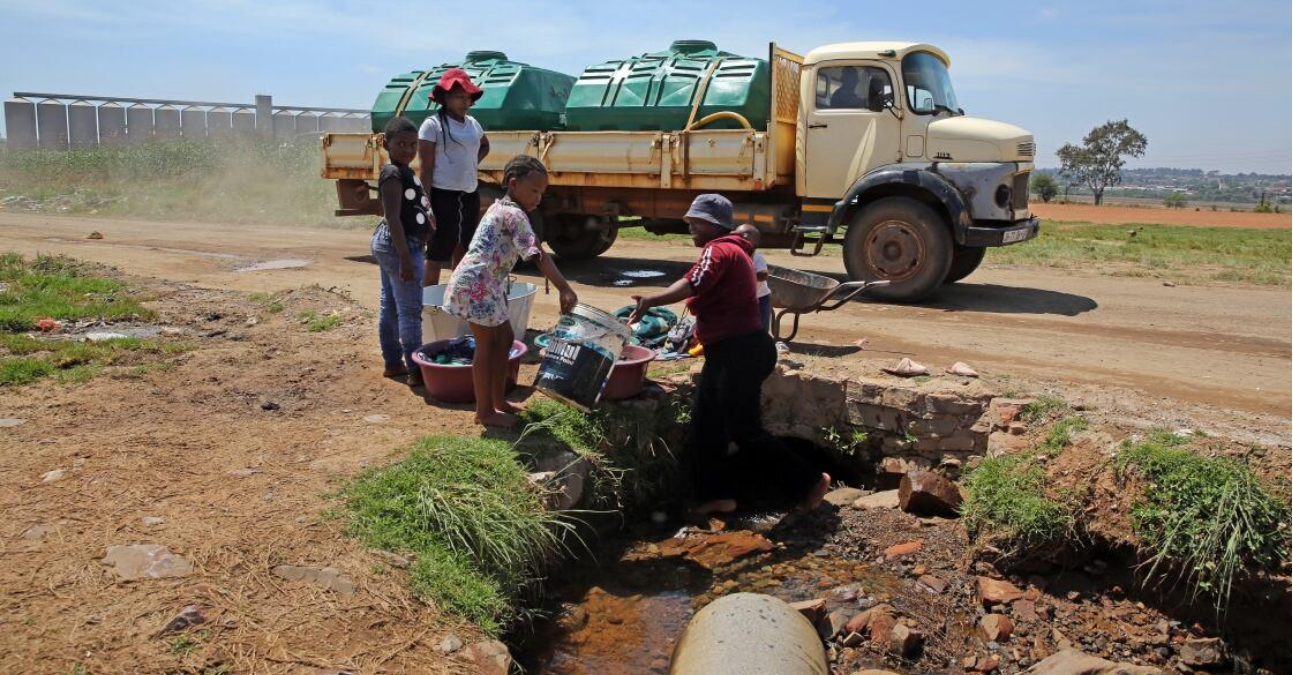
Water tankers were deployed to supply affected communities with alternative drinking water. Government previously reported that the city was working towards increasing the supply through 36 tankers.
Residents were also warned against assuming that water from private tankers was automatically safe, particularly when its treatment and source could not be verified.
On 26 October, Minister Majodina announced that four pumps had been installed at the treatment plant. Government was working to restore the first phase of operations rather than immediately rehabilitating the entire facility.
Rand Water was brought in to assist with the technical intervention, with Deputy President Mashatile indicating that repairs would take several weeks.
No firm completion date was announced.
Residents warned not to drink contaminated tap water
One of the most important concerns for affected households has been understanding which water sources are safe to use.
The City of Tshwane advised residents supplied by the affected system to use tap water only for flushing toilets until authorities officially confirm that it is safe again.
Residents were instructed to obtain drinking water from municipal tankers or another officially confirmed safe source.
The warning also covered cooking, preparing baby food, brushing teeth, washing hands, bathing, making ice and washing fruit and vegetables.
Importantly, the National Institute for Communicable Diseases and government authorities warned that boiling the affected tap water should not be treated as a solution that makes it safe for these purposes.
Households were also advised to discard previously stored tap water and properly clean and disinfect storage containers before refilling them with safe water.
People experiencing symptoms after possible exposure were encouraged to seek medical attention promptly.
Public Protector investigates the Tshwane water crisis
The incident has also attracted attention from oversight institutions.
The Public Protector announced an investigation into allegations of maladministration, improper conduct and prejudice involving the City of Tshwane.
The investigation followed complaints concerning the failure to chlorinate the water supply and allegations that residents were not properly warned about the danger.
The investigation is expected to examine the conduct of the relevant authorities and whether residents were adequately protected.
The crisis has also raised wider questions about municipal infrastructure maintenance, chemical procurement, emergency communication and accountability when essential public services fail.
What happens next?
The immediate priority remains protecting residents and ensuring that affected communities have access to safe water while the treatment plant undergoes repairs.
Government has also acknowledged that the incident highlights wider weaknesses in South Africa’s ageing water infrastructure.
Minister Majodina indicated that at least R400 billion would be needed to repair the country’s water system, emphasising the need for improved maintenance and cooperation between government and the private sector.
For Bronkhorstspruit residents, however, the most urgent concern is the restoration of a dependable supply that meets required safety standards.
The increase to 833 reported illnesses has made the consequences of poor water management difficult to ignore. As investigations continue, residents will be looking for clear communication, accountability and lasting improvements rather than temporary emergency arrangements.
The full restoration of confidence in the water supply will depend on transparent testing, effective infrastructure repairs and confirmation from authorities that the water is safe for everyday use.