
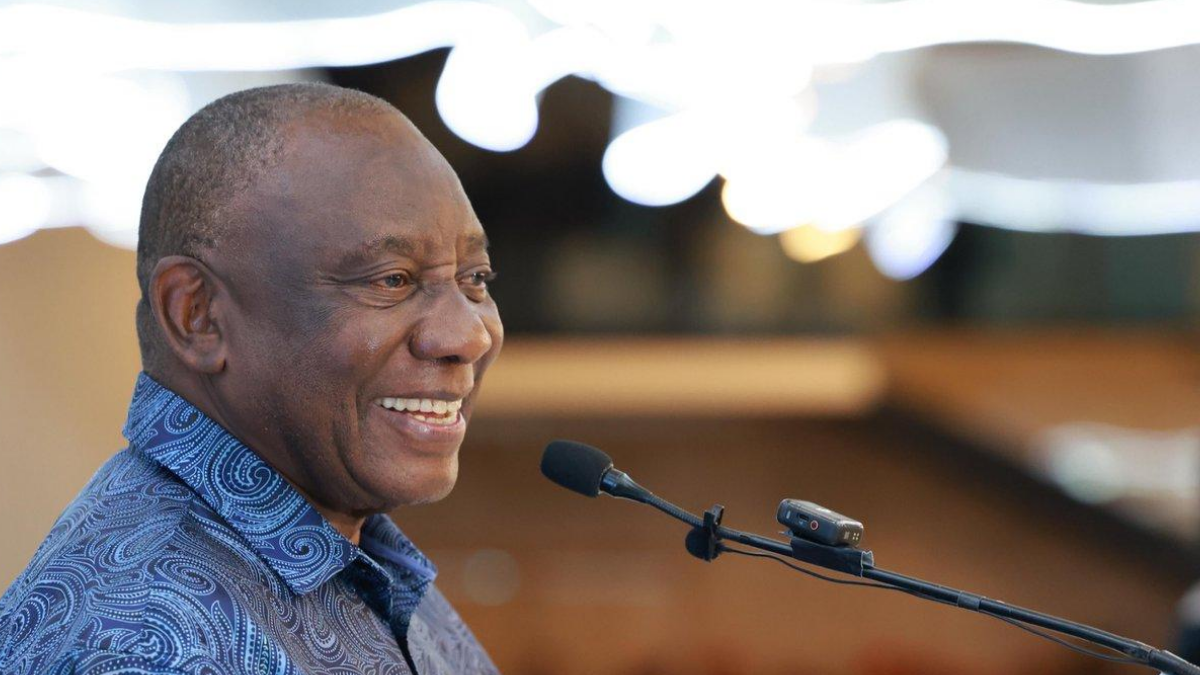
Shocking Durban Protests: Ramaphosa Issues Warning as 510 Soldiers Deploy to KZN
Ramaphosa vows to protect businesses amid Durban protests as 510 SANDF members support police in KwaZulu-Natal. Here is what happened.
President Cyril Ramaphosa has warned that South Africa will not tolerate violence, looting and intimidation amid renewed tensions surrounding illegal immigration, following disturbing incidents in Durban and the deployment of hundreds of soldiers to KwaZulu-Natal.
Speaking at the Durban Chamber of Commerce and Industry’s 170th anniversary gala dinner on 28 October 2026, Ramaphosa said government had a responsibility to protect lives, property and the right of people to conduct lawful business safely.
His remarks come as the country prepares for local government elections on 4 November, with concerns about public safety, community tensions and misinformation adding pressure to an already sensitive political environment.
The government has also confirmed the deployment of 510 members of the South African National Defence Force (SANDF) to KwaZulu-Natal to support the South African Police Service (SAPS). The operation is intended to help maintain law and order following violence linked to misleading claims about a Constitutional Court ruling on asylum procedures.
The developments raise important questions about public safety, the protection of businesses and the responsibility of authorities to address immigration concerns without allowing violence against people or property.
Ramaphosa Says Violence Will Not Be Tolerated
During his address in Durban, Ramaphosa stressed that economic prosperity depends on social stability. He warned that businesses cannot operate effectively where owners, workers and customers live in fear.
The President also argued that concerns about illegal immigration cannot be used as an excuse for criminal behaviour.
His comments followed reports of attacks on businesses, intimidation and unrest connected to anti-immigration protests. Government has maintained that protecting residents and enforcing the law must go hand in hand with upholding constitutional rights.
The issue is particularly important for Durban, a major commercial centre in KwaZulu-Natal. Disruption to shops and other businesses can affect workers, customers, suppliers and communities that depend on local economic activity.
Ramaphosa’s message was directed at those engaging in violence, but it also comes amid broader public frustration about immigration enforcement and pressure on local services.
South Africa’s immigration debate remains politically sensitive. However, the right to raise concerns or participate in lawful demonstrations does not give anyone permission to assault others, destroy property or threaten businesses.
Why Have Soldiers Been Deployed to KwaZulu-Natal?
The Presidency confirmed on 27 October that Ramaphosa had authorised the deployment of 510 SANDF members to KwaZulu-Natal under Operation Prosper.
The soldiers are intended to support police in maintaining law and order. They are not being sent to replace the police service.
The deployment is authorised for the period from 9 October to 30 November 2026, and the Presidency estimates that it will cost approximately R34.08 million.
According to the government, the decision follows violent actions associated with misinformation about a Constitutional Court judgment concerning the Refugee Act.
Ramaphosa has said the deployment followed requests from residents and political leadership in the province for additional support in dealing with security challenges.
The operation forms part of wider efforts to address public-safety concerns, including gang violence and illegal mining. Its immediate relevance to the current situation is the support being provided to police amid tensions and the risk of further unrest.
The presence of soldiers does not remove the need for lawful policing, investigations and accountability. Authorities will still need to establish what happened in individual incidents and ensure that those suspected of criminal offences are dealt with through the justice system.
The Court Ruling at the Centre of the Dispute
The unrest has been connected to a Constitutional Court judgment involving access to South Africa’s asylum system.
The ruling has been misrepresented in claims suggesting that it automatically grants undocumented foreign nationals blanket amnesty or legal status. Government has rejected that interpretation.
The judgment concerns procedural barriers affecting people seeking asylum. It does not automatically give every undocumented person refugee status, permanent residence or unrestricted permission to remain in South Africa.
This distinction matters because inaccurate claims can intensify public anger and contribute to threats or violence.
South Africa has laws governing immigration, asylum applications and the processing of people who enter or remain in the country. These laws must be implemented through lawful procedures rather than collective punishment or attacks on people based on their nationality.
Authorities have warned that misinformation surrounding the court decision has contributed to tensions. The situation illustrates why people should check claims against official explanations and reliable reporting before sharing them.
Concerns about immigration policy can be debated, but those discussions should be based on facts and must not be used to justify violence.
Court Action Over March and March Protests
The legal response has also intensified. eNCA reported on 28 October that Acting Police Minister Firoz Cachalia had secured an interim interdict against protests by the March and March movement in eThekwini.
Police cited concerns about further protests and an alleged threat to burn down a refugee reception centre in Berea. The application also raised concerns about assaults, property damage, forced business closures and the reported death of a foreign national during protest-related events.
An interim interdict is a temporary court order; it should not be confused with a final ruling on every allegation. The legal process remains important in determining what restrictions apply and what further action may be justified.
The movement’s response was not available in the eNCA report at the time of publication. Allegations should therefore be attributed to the relevant authorities or court papers rather than presented as findings against every participant.
The case highlights the balance authorities must maintain between protecting the right to lawful protest and preventing intimidation, violence or disruption that threatens public safety.
What the Unrest Means for Businesses and Residents
For business owners, workers and residents in Durban, the immediate concern is safety and the ability to go about daily activities without threats or disruption.
Violence against shops can have consequences beyond the direct damage. Workers may lose income when businesses close, customers can struggle to access goods and services, and owners may face repair costs or uncertainty about reopening.
Small businesses can be particularly vulnerable when they lack the financial reserves to absorb prolonged interruptions.
Residents also need confidence that disputes will be handled fairly and that police will respond to threats without discrimination. The government has said it will protect lawful business activity and the rights of people living in South Africa.
For the broader economy, repeated instability can weaken confidence and discourage investment. Businesses need predictable conditions, safe premises and functioning public institutions to plan and operate effectively.
At the same time, durable solutions require more than deploying security personnel. Authorities must address criminal activity, communicate accurate information, investigate violence and ensure that immigration laws are enforced through proper legal channels.
What Happens Next?
The situation remains important as South Africa approaches its local government elections. Authorities will need to manage public-safety risks while protecting lawful political participation and the rights of residents.
The SANDF deployment is scheduled to continue through 30 November, according to the Presidency. The legal proceedings involving the proposed restrictions on protests will also help determine what measures may follow.
For members of the public, the most responsible approach is to rely on verified updates from government, police and established news organisations. Unconfirmed social-media claims should not be treated as established facts, particularly when they concern immigration or alleged criminal activity.
Ramaphosa’s warning makes the government’s stated position clear: public concerns must be addressed through lawful processes, while violence and intimidation cannot be accepted as substitutes for the rule of law. Whether that message translates into lasting stability will depend on effective policing, fair enforcement and the protection of all people from unlawful harm.