
From R6,000 to 910 Restaurants: The Powerful South African Story Behind Debonairs Pizza
Discover how two students turned R6,000 into Debonairs Pizza, a South African franchise with 910 restaurants across 17 markets
A business that now operates hundreds of restaurants across several markets began with a modest idea, two university students and just R6,000. Debonairs Pizza has become one of South Africa’s most recognisable fast-food brands, but its beginnings were far smaller than the national footprint it has built over the past three decades.
Two students saw an opportunity
Debonairs Pizza traces its beginnings to 1991, when Craig MacKenzie and Andrew Harvey opened their first restaurant at Park Lane Spar in Pietermaritzburg. The two founders were university students, and the business started with a shoestring budget of R6,000.
According to the company’s official history, the pair built the brand around an idea that was still unusual in the local market: convenient pizza delivery. Debonairs says it offered efficient, free delivery from the beginning, making it the first South African brand to introduce that service.
The delivery experience also helped the business stand out. Drivers wore tuxedos and bow ties, giving the service a distinctive identity at a time when food delivery was not yet the everyday convenience it has become.
A small business becomes part of a bigger group
The next major turning point came in 1996, when Debonairs joined the Steers Group, which later became Famous Brands. The acquisition gave the growing pizza chain access to a larger restaurant group and the support needed to expand its operations.
In 1997, Debonairs opened its first restaurant outside South Africa in Manzini, Eswatini. The expansion showed that the brand’s model could work beyond its home market.
The business continued to add restaurants over the following years. It reached its 60th restaurant in 1998 and opened its 200th outlet in Sandton in 2005. These milestones reflected the growing popularity of the franchise and its ability to reach customers in different communities.
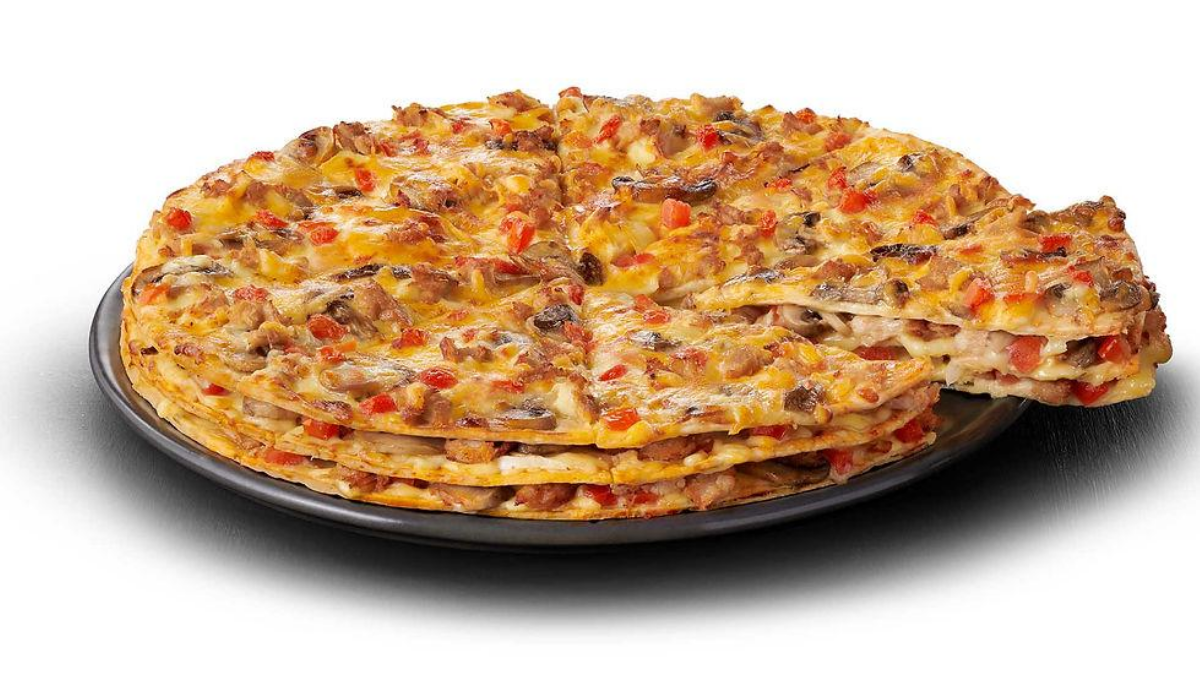
Debonairs also developed products that helped distinguish its menu. In 2008, it introduced the Triple-Decker, Crammed-Crust and Double-Stack pizzas. Those products became recognisable parts of its offering and helped the chain build a menu identity beyond traditional pizza options.
Digital ordering helped change the customer experience
Debonairs continued to look for ways to make ordering easier. In 2010, it launched online and mobile ordering, which the company describes as a first for a pizza brand in Africa.
That move anticipated a major shift in how customers interact with restaurants. Today, people increasingly expect to browse menus, place orders and arrange delivery through their phones. Debonairs had started building that digital option years before app-based food ordering became a normal part of daily life.
The company’s delivery model and digital services work together. Customers can order online, use the brand’s app, phone a restaurant or visit a store. The official website also explains that delivery availability depends on the nearest restaurant’s service area.
The latest figures show the scale of the business
Debonairs’ growth remains significant. Daily Investor reported on 8 November 2026 that Famous Brands’ interim results for the six months ended 31 August 2026 showed Debonairs had 910 restaurants across 17 markets.
The report said the chain opened 22 restaurants during the six-month period and closed four, producing a net increase of 18 outlets. It also reported that Debonairs had opened 36 restaurants and revamped 48 existing stores during the preceding year.
Those figures show that the brand is still expanding, rather than relying only on the stores it built in earlier decades. Its footprint also extends beyond South Africa, with operations across the Southern African Development Community, other African and Middle Eastern markets, and the United Kingdom.
Famous Brands operates a wider portfolio that includes well-known names such as Steers, Wimpy, Mugg & Bean and Fishaways. Debonairs is one of the group’s leading quick-service restaurant brands.
The growth figures should also be viewed alongside the pressures facing the restaurant industry. Famous Brands reported revenue of R4.34 billion for the six months to August 2026, up 2.3%, while operating profit fell 4.7% to R375 million. The company pointed to a challenging trading environment, including higher fuel costs and pressure on consumer spending.
This matters because restaurant expansion does not automatically mean that every outlet performs equally well. Franchise groups must balance opening new stores with supporting existing operators, controlling costs and keeping customers interested.
Why the Debonairs story matters
The original R6,000 investment is striking because it highlights how different the business looked at the start. The founders began with one restaurant in Pietermaritzburg. The company now operates on a scale that would have been difficult to imagine when the first pizzas were delivered.
Its history also shows the importance of adapting. Free delivery helped the brand stand out in the early years. Menu innovation gave customers new reasons to return. Online and mobile ordering helped it respond to changing habits. Expansion into other markets created opportunities beyond South Africa.
There are lessons here for entrepreneurs who want to build businesses from limited resources. A good idea needs more than enthusiasm: it needs a clear customer benefit, reliable operations and the ability to change as the market changes. Debonairs’ journey also demonstrates how joining a larger group can provide the structure and resources needed for further growth.
The company’s next challenge will be to protect the qualities that made it popular while remaining competitive in a market where customers are watching their spending and have many food options.
From a single Pietermaritzburg outlet to a network of 910 restaurants, Debonairs Pizza has become a major part of South Africa’s fast-food landscape. Its story began with two students and a small amount of money, but its continued growth will depend on how well it serves customers in the years ahead.